Nonverbal communication transmits up to 93% of a message’s emotional impact through body language, facial expressions, gestures, posture, and tone, amplifying or contradicting spoken words. These cues convey intentions, emotions, and relationships universally—smiles signal joy, crossed arms defensiveness—enhancing clarity when language barriers arise. Mastering them builds trust, engagement, and rapport in personal, professional, and cross-cultural interactions.
Key Components and Functions
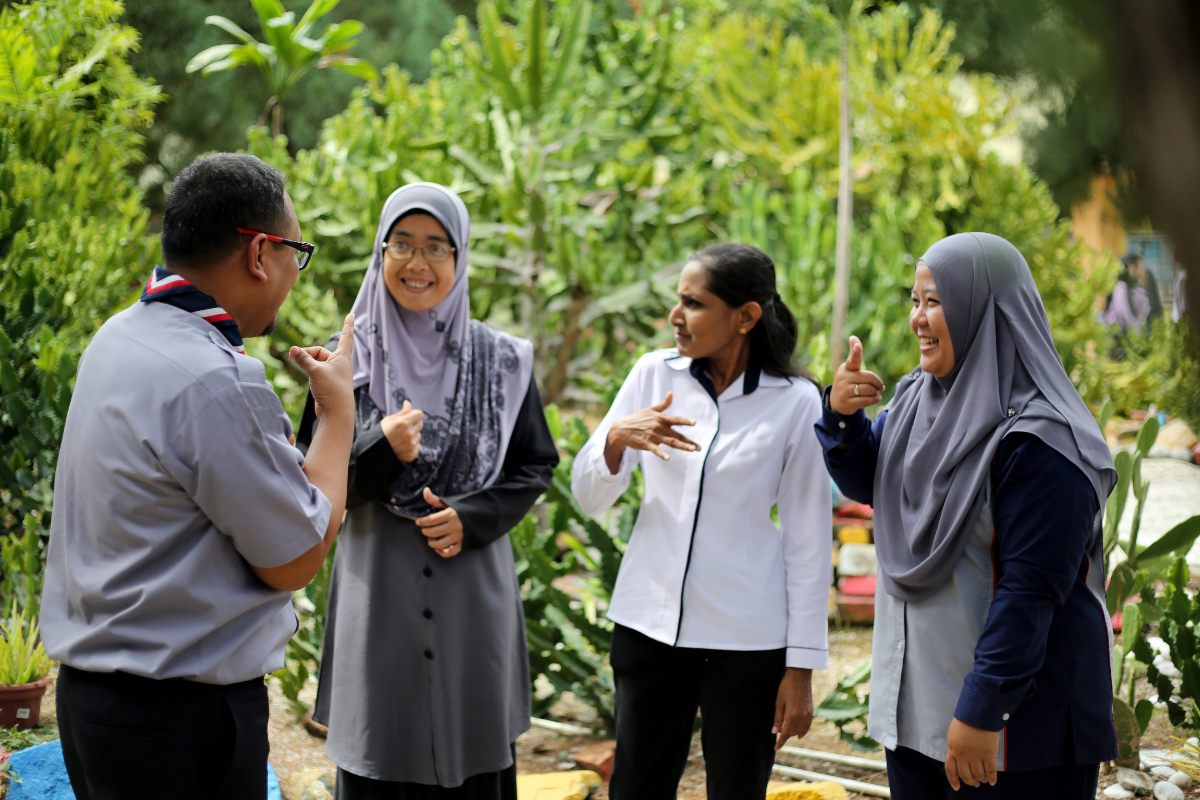
Facial expressions dominate, with microexpressions revealing true feelings like fear or surprise faster than words. Gestures—pointing, thumbs-up—reinforce emphasis or substitute speech, while posture (open vs. closed) signals confidence or withdrawal. Eye contact fosters connection but varies culturally; prolonged gazes convey honesty in the West, discomfort in Asia.
Paralanguage—tone, pitch, pauses—adds nuance: a warm inflection builds closeness, monotone breeds distance. Proxemics governs space—intimate (18 inches), social (4-12 feet)—missteps causing unease. These elements repeat, contradict, complement, or replace verbal content.
Enhancing Verbal Messages
Nonverbals duplicate words—a nod affirms “yes”—or structure talks via leaning forward for engagement. They define relationships: mirroring builds rapport, averted eyes deference. In presentations, purposeful gestures clarify points, boosting retention and persuasion. Children and non-speakers rely heavily, trusting actions over incomplete language.
Cross-Cultural Dynamics
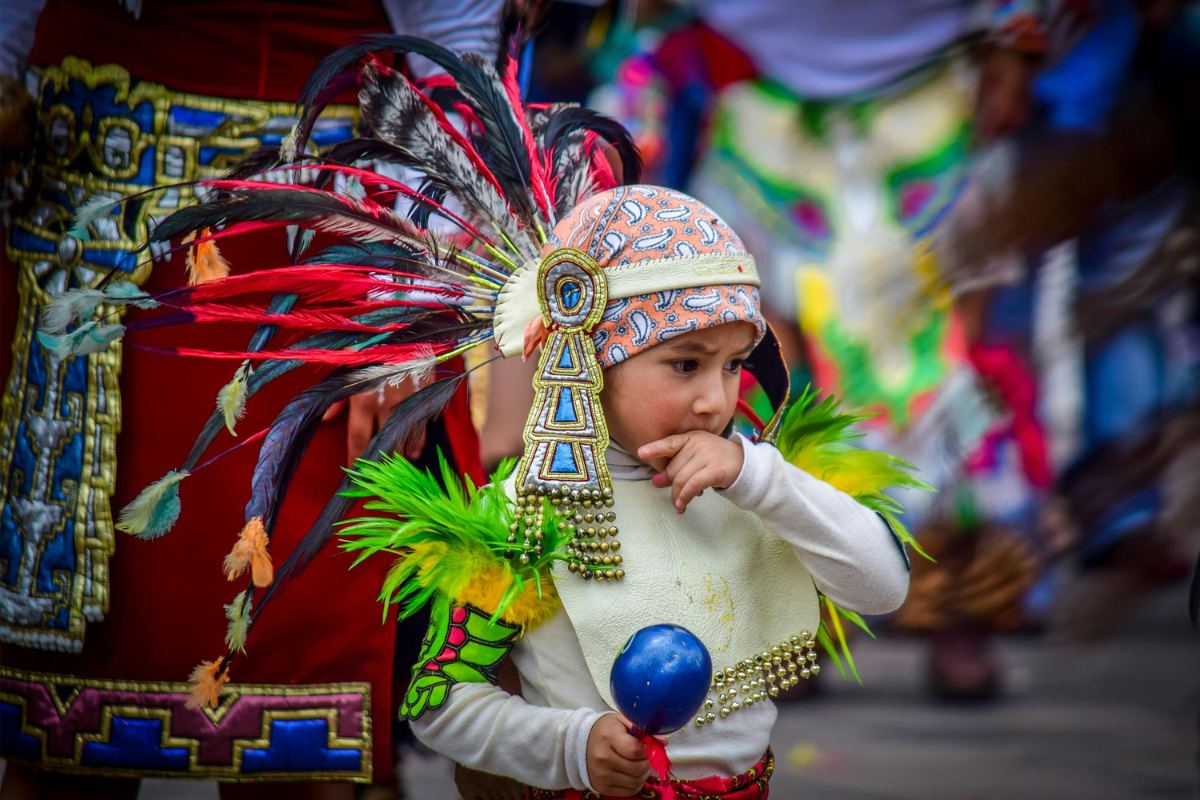
Gestures differ: OK sign means approval in the US, offense in Brazil; nodding agreement in Bulgaria means no. High-context cultures (Japan) emphasize subtle cues over direct speech, low-context (US) favor explicit words. Awareness prevents misunderstandings, fostering global empathy.
Practical Applications
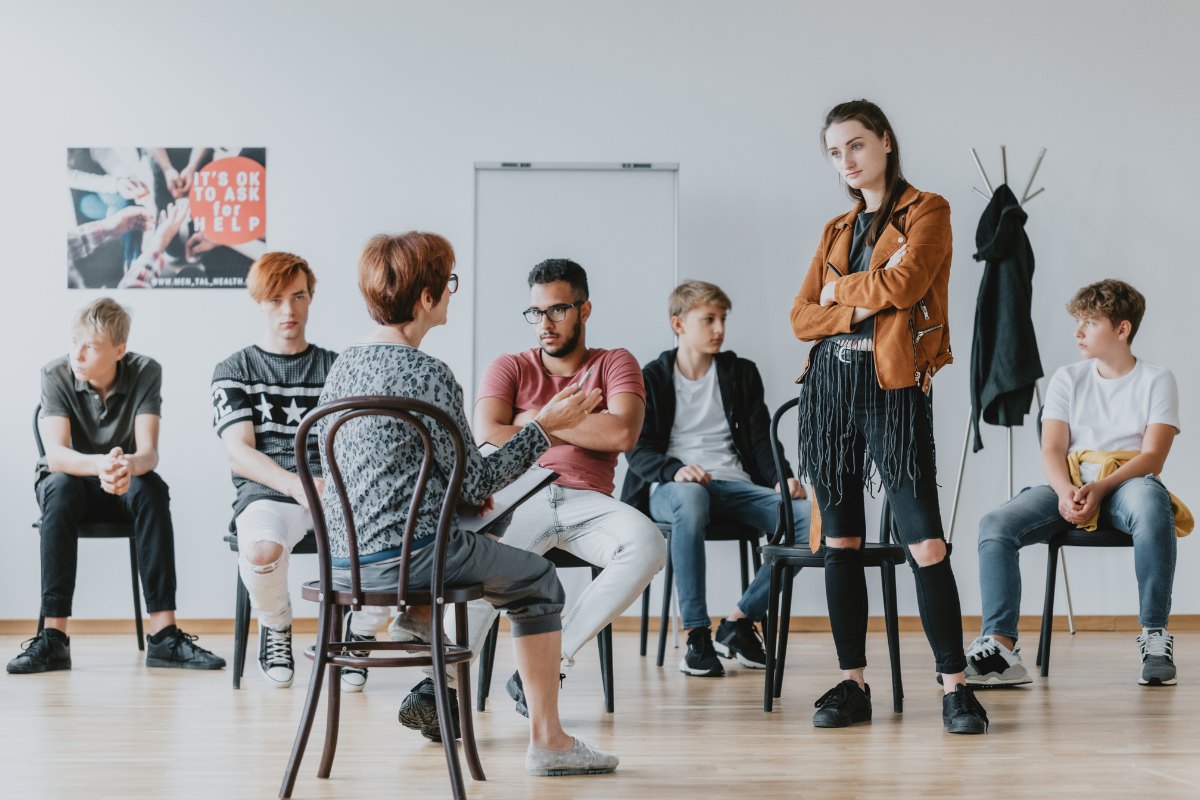
Observe clusters—multiple cues—for accuracy, not isolates. Practice alignment: smile genuinely, maintain eye contact 60-70%. Leaders use open postures for approachability, negotiators mirror for alliance. Training enhances emotional intelligence, vital in diverse workplaces.
FAQ
What percentage of communication is nonverbal?
Up to 93%, via body language, tone, and expressions conveying emotional core.
How do facial expressions aid language?
They transmit universal emotions like joy or anger, amplifying verbal intent.
Why consider culture in nonverbals?
Gestures vary—thumbs-up offensive in some places—risking misinterpretation.
Can nonverbals contradict words?
Yes, crossed arms during “I’m fine” signals distress, eroding trust.
How improve nonverbal skills?
Align cues with words, observe clusters, practice eye contact and open posture.