Language is much more than a means of communication; it is a powerful tool that shapes perceptions, emotions, and social interactions.
In the context of conflict and peacebuilding, the words we use, how we listen, and the way we communicate can either escalate tensions or build bridges toward understanding and reconciliation. Recognizing the profound impact of language is essential for effective conflict resolution and sustaining peace.
Language as a Catalyst for Conflict or Peace
Language can inflame conflicts when used to stereotype, exclude, or ignite fear and hatred. Conversely, it can de-escalate disputes by fostering empathy, respect, and cooperation.
Peacebuilding involves deliberate language choices—using neutral, non-provocative words and statements that validate feelings rather than blame. For example, replacing accusatory “you” statements with personal “I” statements encourages mutual respect and openness during difficult conversations.
Active Listening and Empathy
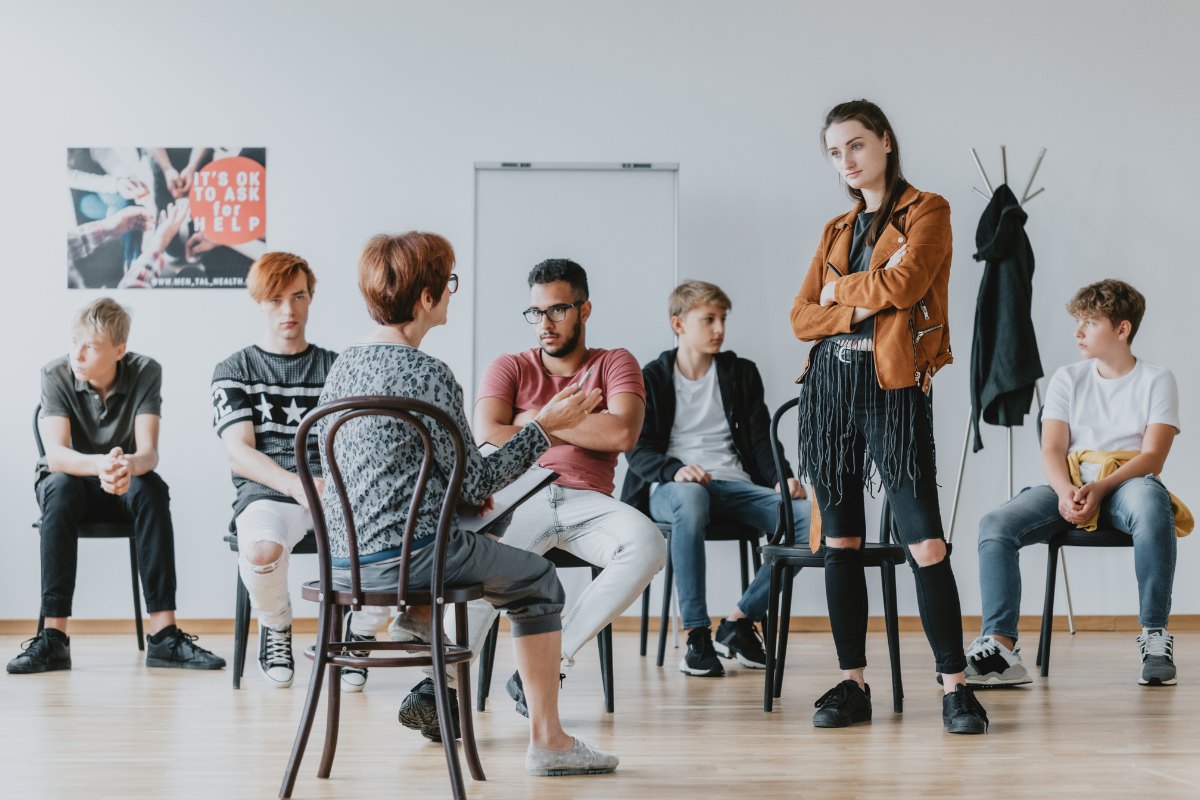
One of the most effective uses of language in conflict resolution is active listening—truly hearing and understanding the other party’s concerns and emotions. This practice builds trust and acknowledges legitimacy, which is critical to reconciliation. Empathetic language shows compassion and helps create safe spaces where all parties feel valued and heard.
The Importance of Native and Inclusive Languages
Research shows that using a community’s native language during negotiations improves trust and receptivity, reducing hostility compared to using neutral lingua francas like English.
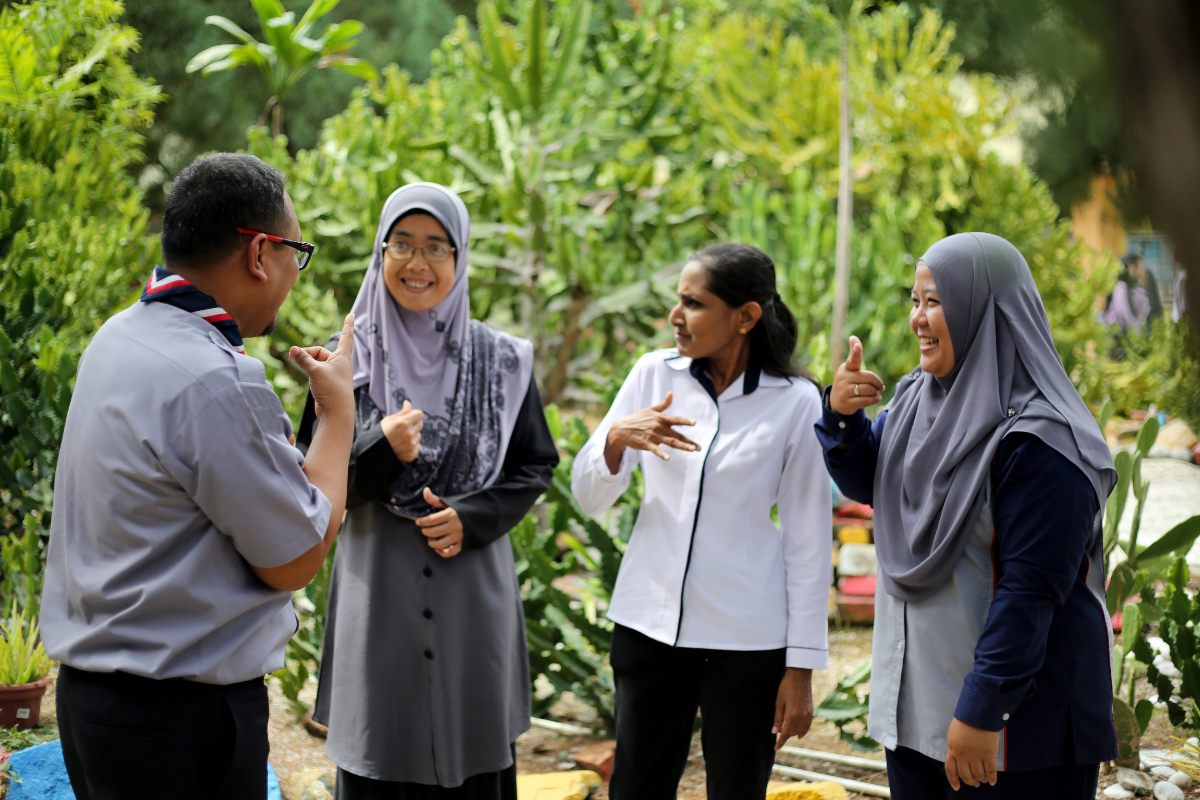
Language in peacebuilding promotes cultural identity, respect, and inclusion, reinforcing a sense of belonging critical to long-term peace. Incorporating indigenous languages and promoting multilingual communication enhance dialogue effectiveness.
Communicative Strategies in Peacebuilding
Open-ended questions, storytelling, and dialogue encourage deeper understanding and uncover the root causes of conflict. Using language to build narratives of common humanity and shared goals fosters unity. Additionally, non-verbal communication—tone, gestures, posture—also plays a crucial role in signaling openness or hostility and must align with verbal messages.
Educational and Policy Implications
Promoting language sensitivity training, cultural awareness, and effective communication skills in schools, workplaces, and peace institutions strengthens society’s capacity for peaceful conflict management. Policies that encourage inclusive, transparent, and respectful communication environments help prevent conflicts and facilitate resolution when disputes arise.
Language as a Tool for Rebuilding
In post-conflict situations, language is vital in healing wounds and rebuilding relationships. Dialogue forums, community conversations, and reconciliation commissions rely on language to restore trust, correct misinformation, and foster collective healing. The equitable use of language and communication channels supports justice and sustainable peace.
FAQ
How can language escalate or de-escalate conflict?
Language that stereotypes or accuses fuels conflict, while neutral, respectful language promotes understanding.
What is active listening’s role in peacebuilding?
It builds trust by validating others’ perspectives and emotions, essential for reconciliation.
Why use native languages in peace negotiations?
Native languages improve trust and cultural respect, making dialogue more effective.
What communication strategies support peace?
Open-ended questions, storytelling, aligned verbal and non-verbal cues foster empathy and unity.
How can institutions promote peaceful communication?
Through language sensitivity training, cultural awareness, and inclusive, transparent policies.