Words hold immense power in the evolution of the English language. Vocabulary expansion, shifts in meaning, and the creative use of language by writers, speakers, and communities continually reshape English.
Throughout history, major cultural and intellectual movements such as the Renaissance introduced a wealth of new words, many borrowed from Latin and Greek, enriching the language’s expressive capability. The works of Shakespeare famously added over 1,700 new words and phrases that endure in common usage today.
Technological advances, globalization, and digital communication today accelerate this evolution by creating new vocabulary and spreading slang, idioms, and borrowed words rapidly across English-speaking communities worldwide.
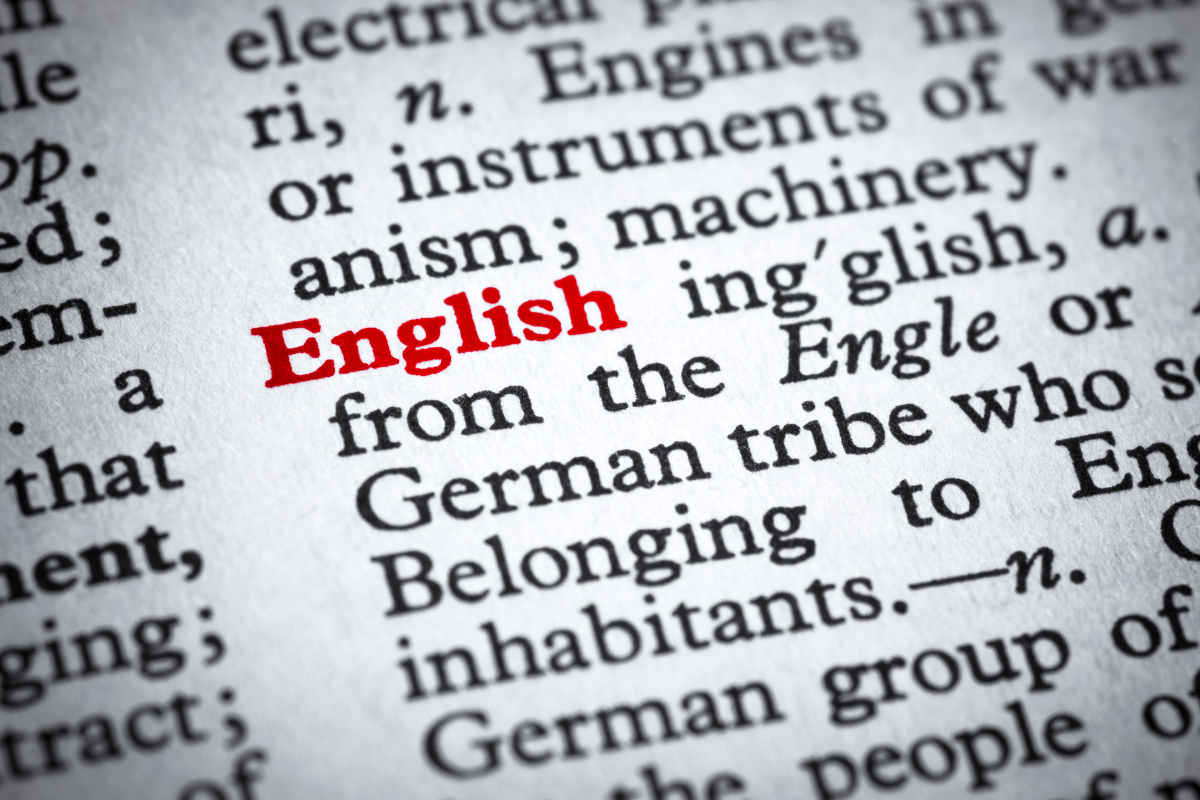
Dictionaries and linguistic research play key roles in documenting and standardizing these changes, while literature and media reflect and propagate evolving language trends. Ultimately, words are the building blocks of English, their power influencing thought, culture, and social interaction.
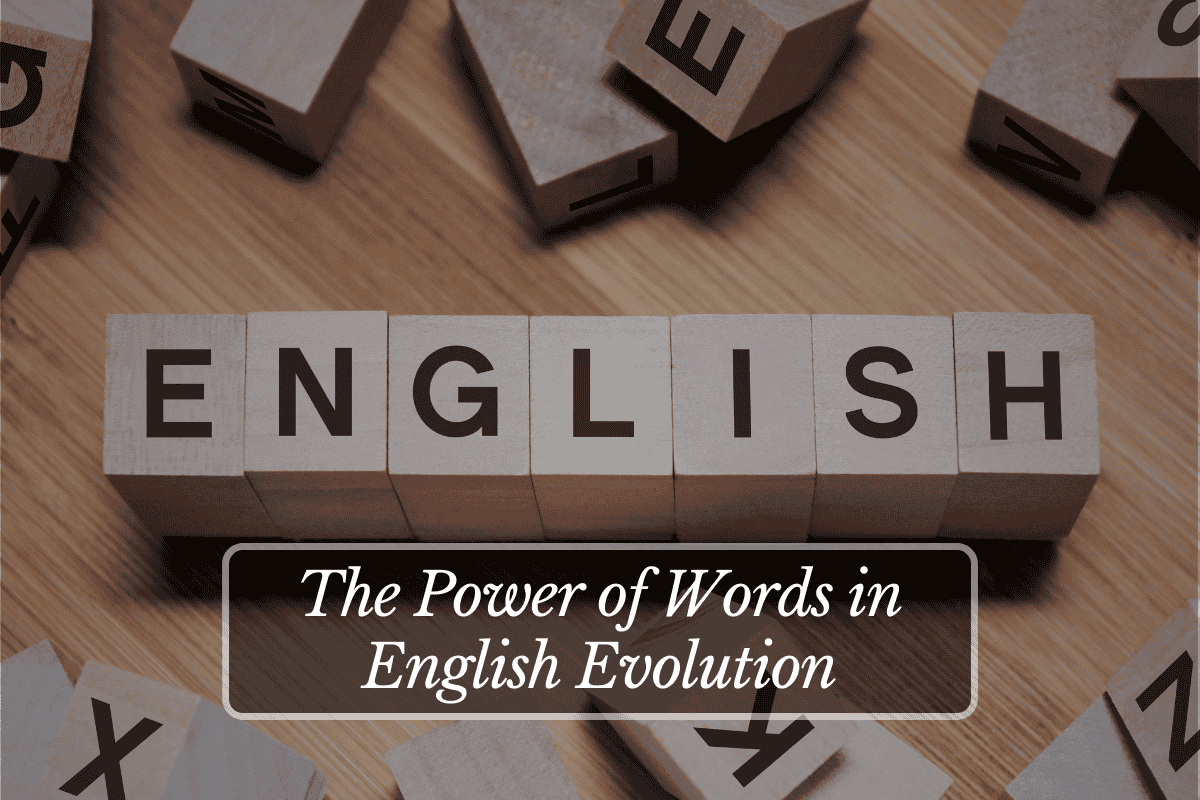
The Power of Words in English Evolution
- English vocabulary has expanded extensively via borrowing from Latin, Greek, French, Arabic, Spanish, and many other languages due to historical contact and exploration.
- Shakespeare significantly enriched English with creative wordplay, new words, and phrases, demonstrating the artistic power of language.
- The Renaissance and scientific discoveries introduced elaborate rhetoric and classical vocabulary into English literature, advancing its complexity and expression.
- Modern technology and the internet drive rapid language change, spreading new words and informal expressions worldwide.
- Vocabulary growth enhances comprehension, academic success, communication skills, and critical thinking.
FAQs on the Power of Words in English
Q: How have new words influenced English evolution?
A: New words from other languages and cultural creativity have continuously expanded English vocabulary, increasing its expressive scope.
Q: What role did Shakespeare play in English vocabulary?
A: Shakespeare introduced over 1,700 new words and popularized phrases that still influence English today.
Q: How does technology affect English vocabulary?
A: Technology and social media rapidly create and disseminate new vocabulary, slang, and idioms worldwide.
Q: Why is vocabulary important for communication?
A: A rich vocabulary allows clearer expression of ideas, better comprehension, and increases confidence in speech and writing.
Q: How do dictionaries impact the evolution of English?
A: Dictionaries document word histories, standardize spellings, and support the consistent use of evolving vocabulary.