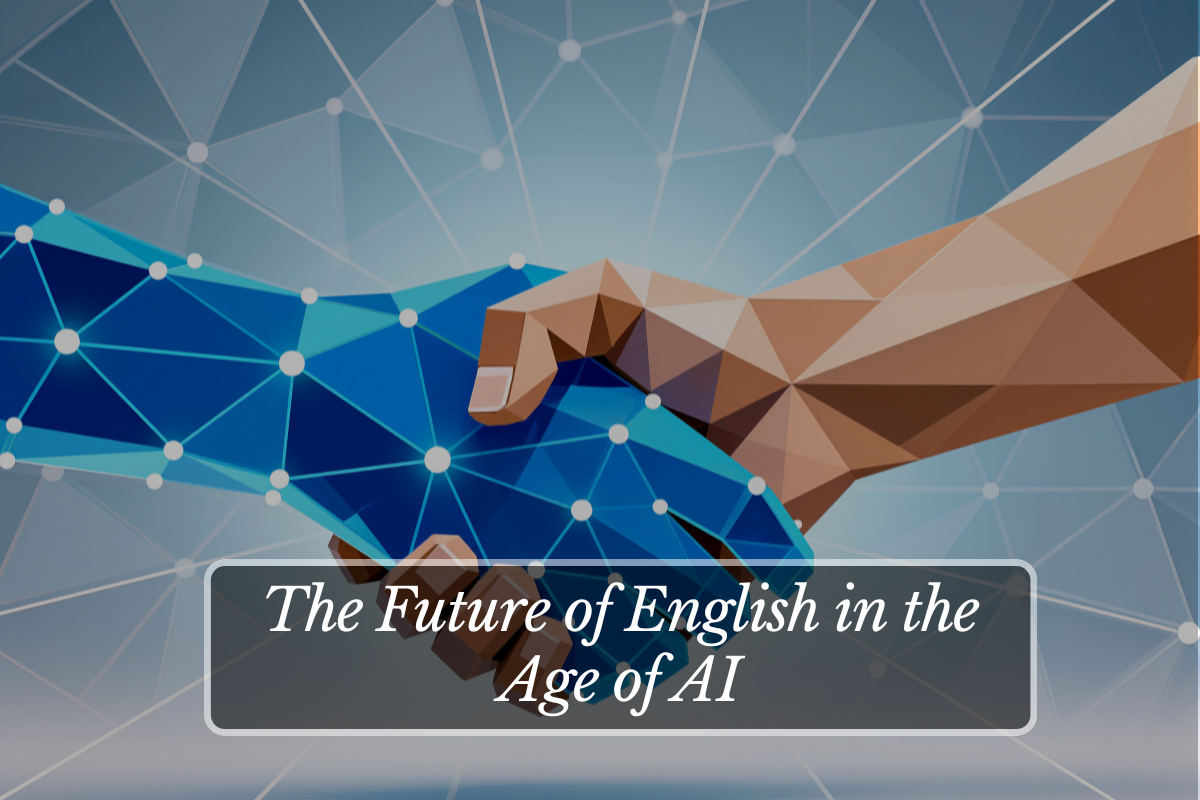
The rise of artificial intelligence (AI) is reshaping how English is learned, spoken, and written worldwide. AI technologies are not only transforming traditional language teaching but also changing communication and knowledge sharing. This future promises both new linguistic possibilities and challenges for English speakers and learners globally.
AI-Enhanced English Communication
AI is creating what some experts call “English 2.0,” a version of English enhanced by natural language processing and machine learning. AI-driven tools can generate human-like text, translate instantly, summarize complex content, and even hold conversations. This AI-improved English focuses on clarity and precision, reducing misunderstandings in professional, scientific, and diplomatic contexts.
Impact on English Education
Education is rapidly evolving with AI integration. Instead of memorizing grammar rules or vocabulary, learners use AI for interactive practice, instant feedback, and personalized lessons. AI tutors can adapt to individual learning styles, simulate real-life dialogues, and provide corrections on pronunciation and fluency. Such innovations democratize English learning and make it more efficient.
Changes in Writing and Speaking
Writing skills will increasingly involve directing AI tools in generating content rather than composing everything manually. AI can assist in structuring ideas, editing text, and improving style. For speaking, AI platforms offer interactive conversation practice, reducing anxiety and improving confidence. Learners benefit from real-time error correction and personalized speaking exercises.
Challenges and Ethical Considerations
While AI offers great advantages, it also raises challenges. Dependence on AI may weaken traditional language skills for some users. There are concerns about AI bias, data privacy, and control over language evolution. Ensuring that AI technologies support diversity, cultural nuances, and freedom of expression remains crucial.
The Future of Human-AI Language Collaboration
Looking ahead, AI may enable new forms of communication such as brain-computer interfaces translating thoughts directly into optimized English. This could revolutionize global collaboration but poses ethical questions about control and transparency. Balancing innovation with respect for human creativity and cultural diversity will shape the future linguistic landscape.
Frequently Asked Questions (FAQs)
Q1: How is AI changing English language learning?
AI offers personalized lessons, real-time feedback, and interactive tools that adapt to learners’ needs, making learning faster and more engaging.
Q2: Will AI replace human teachers in English education?
AI supports teachers by enhancing lesson planning and providing extra practice but is unlikely to replace the nuanced guidance only humans can offer.
Q3: How does AI improve English speaking skills?
AI platforms simulate conversations, provide instant feedback on pronunciation and grammar, and help reduce speaking anxiety through adaptable exercises.
Q4: What are the risks of relying on AI for English communication?
Risks include overdependence on AI, potential biases in AI language models, loss of cultural richness, and privacy concerns.
Q5: What might English look like in the future with AI?
English may become more standardized for clarity and efficiency, enhanced by AI tools, and possibly integrated with new communication technologies like brain-computer interfaces.