English vocabulary has experienced a rich and complex evolution shaped by centuries of cultural exchange, invasions, and innovations. From its Old English roots through Middle English and into the Modern English used worldwide today, the language has absorbed words and phrases from a plethora of languages, diversifying and enriching its lexicon. Exploring this evolution reveals how English became one of the most expressive and diverse languages globally.
Old English: The Germanic Beginnings
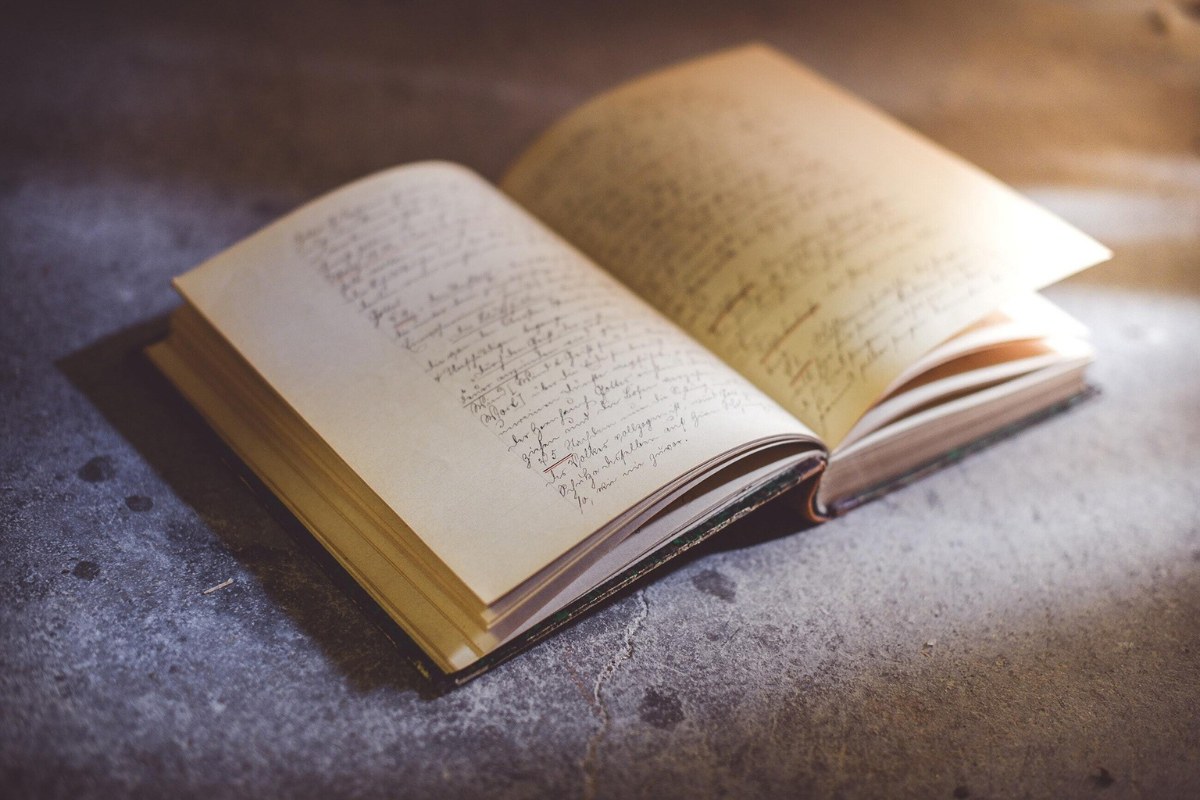
English originated as a West Germanic language brought to Britain by Anglo-Saxon settlers in the 5th to 7th centuries. English originated as a West Germanic language brought to Britain by Anglo-Saxon settlers in the 5th to 7th centuries.
This phase, called Old English, was predominantly Germanic in vocabulary and grammar. Common words like and, strong, water, earth, and love trace back to this era, forming the linguistic foundation for future development.
Middle English: The Norman Influence
The Norman Conquest in 1066 introduced Norman French as the language of the ruling elite, profoundly influencing English vocabulary. The Norman Conquest in 1066 introduced Norman French as the language of the ruling elite, profoundly influencing English vocabulary.
During this time, English absorbed tens of thousands of French words largely related to law, governance, cuisine, and society, such as court, judge, beef, and poultry. Latin, too, contributed learned vocabulary, enriching scientific and religious lexicons.
Early Modern English: Renaissance and Standardization
The Renaissance, with its renewed interest in classical learning, brought an influx of Latin and Greek vocabulary into English. The Renaissance, with its renewed interest in classical learning, brought an influx of Latin and Greek vocabulary into English.
Words related to science, philosophy, and culture—like biology, education, remedy, and culture—entered the lexicon. Advances in printing, led by William Caxton, standardized spelling and grammar, while literary giants like Shakespeare coined around 1,750 new words and phrases still in use today.
Overseas Influence: Global Expansion
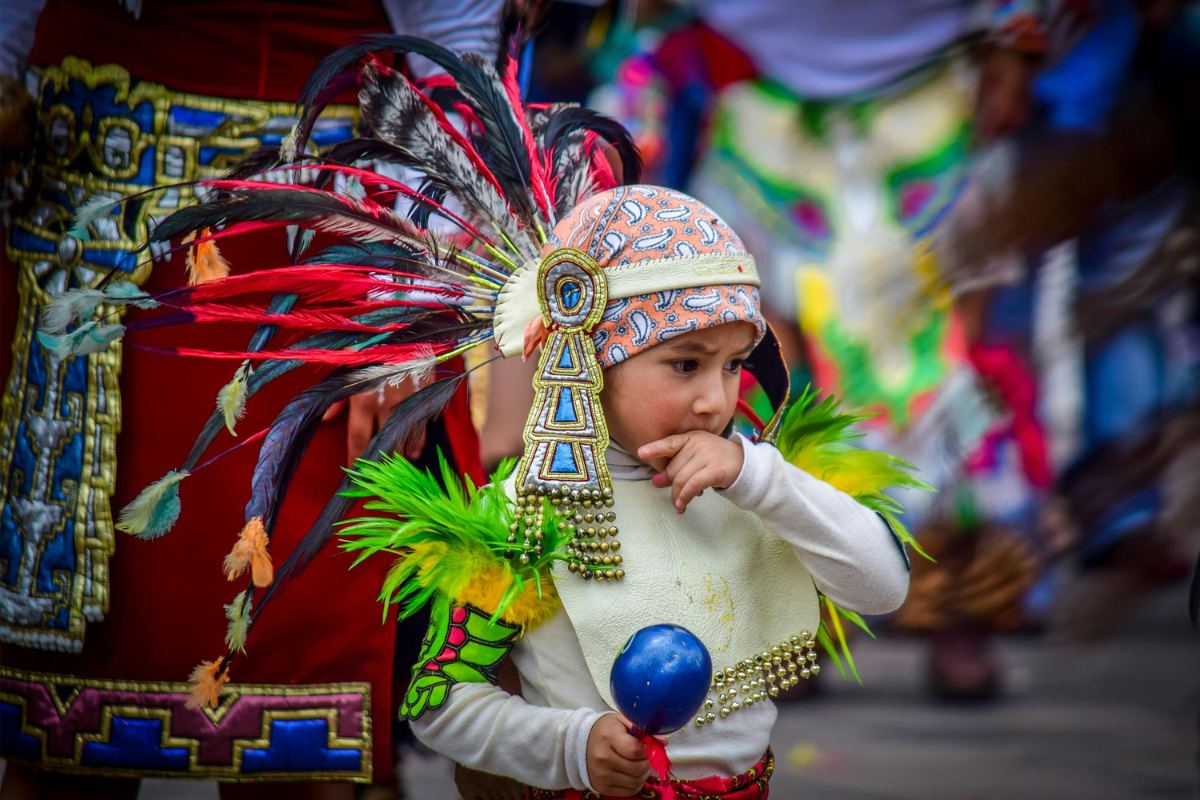
British exploration and colonization from the 16th century onward introduced many new words derived from indigenous languages worldwide. British exploration and colonization from the 16th century onward introduced many new words derived from indigenous languages worldwide.
Terms like canoe, hammock, tobacco, and potato entered English from Native American languages. Trade with Asia and Africa added words such as sugar, coffee, veranda, and bungalow, reflecting the expanding British world.
Modern English: Continuous Innovation and Diversity
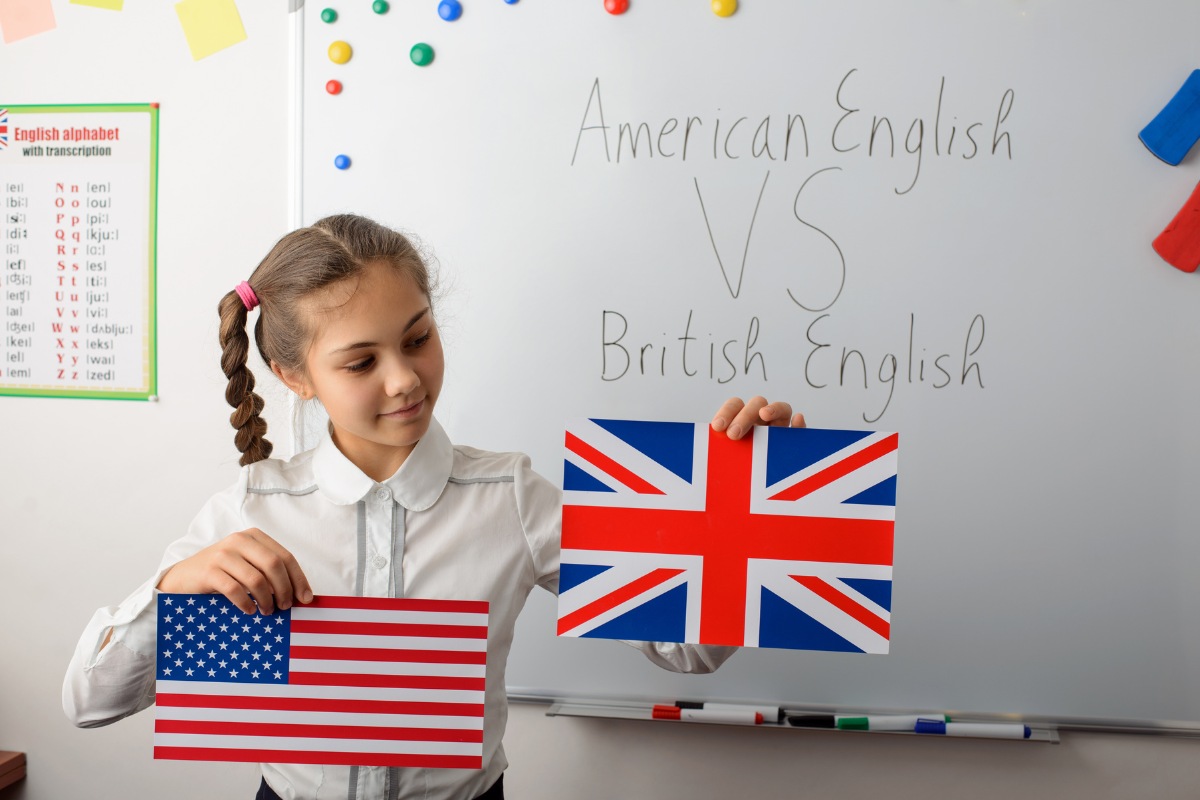
Today’s English continually evolves through technological innovation, globalization, and cultural interchange. Today’s English continually evolves through technological innovation, globalization, and cultural interchange.
Digital communication accelerates the creation and spread of slang, acronyms, and loanwords. English has become a lingua franca, adapting to local languages and creating diverse dialects worldwide, thereby continuously enriching vocabulary and broadening its cultural resonance.
Dictionaries and Documentation
Dictionaries like Samuel Johnson’s 1755 Dictionary of the English Language and the Oxford English Dictionary have played pivotal roles in documenting and standardizing English vocabulary.
Dictionaries like Samuel Johnson’s 1755 Dictionary of the English Language and the Oxford English Dictionary have played pivotal roles in documenting and standardizing English vocabulary. They not only preserve historic usage but also legitimize new entries, mirroring the living nature of English.
FAQ
What languages influenced Old and Middle English?
Old English is Germanic; Middle English experienced heavy Norman French and Latin influence.
How did the Renaissance affect English vocabulary?
It introduced many Latin and Greek terms related to science, arts, and learning.
Which overseas languages contributed to modern English?
Native American, Asian, African, and other languages introduced words for food, objects, and culture.
How does modern English continue to evolve?
Through technology, globalization, slang, and adaptation to local cultures globally.
What is the role of dictionaries in English vocabulary?
They document usage, standardize spelling, and legitimize new words in the language.