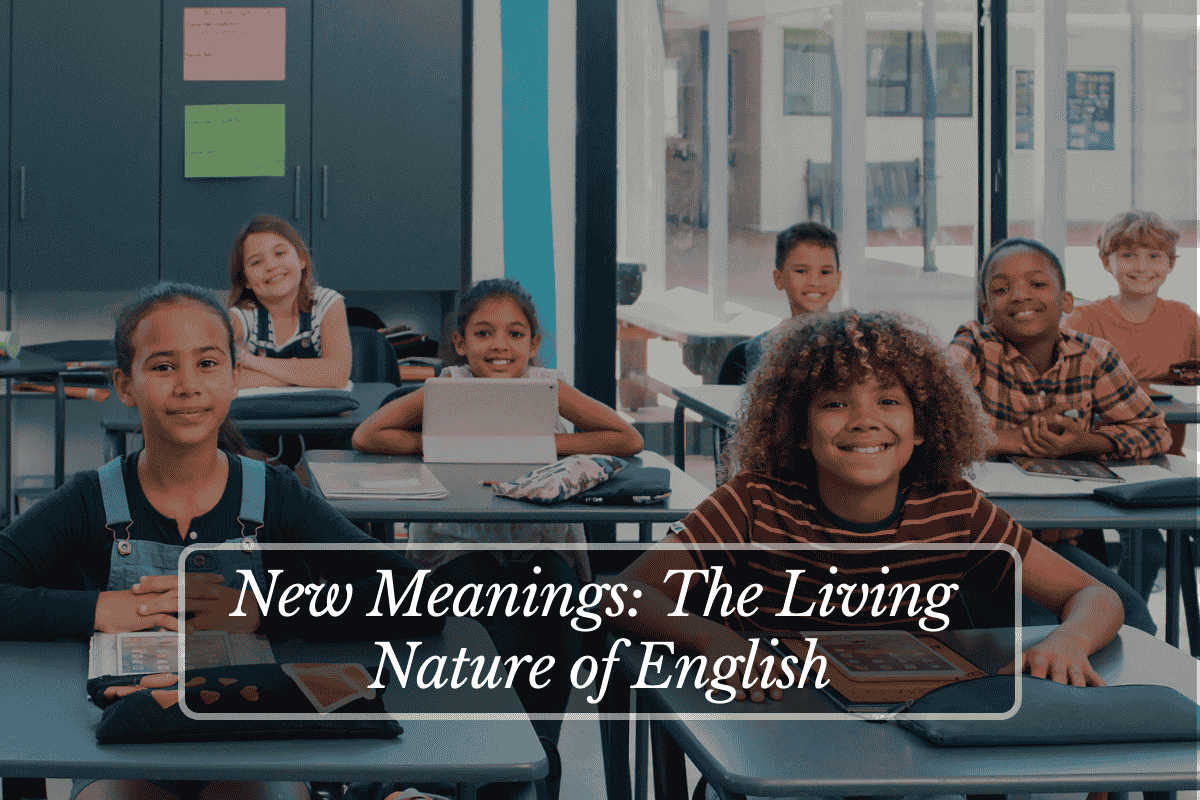
English is a living language, constantly evolving as it adapts to cultural shifts, technological progress, and global interaction. New meanings arise as old words shift in use, while new words enter the lexicon through innovation, borrowing, and creativity.
This fluidity means English speakers today communicate in a language that retains historical roots yet continuously transforms to reflect contemporary experiences and social trends.
Words gain or change meaning depending on context, societal values, and usage patterns, keeping English dynamic and expressive.
The living nature of English also supports diversity, allowing for new phrases, slang, and specialized vocabulary to thrive alongside the traditional lexicon. Learning and embracing new meanings help speakers stay relevant and connected in a fast-changing world, making English a language that includes many voices over time.
New Meanings: The Living Nature of English
- English continuously incorporates new words and meanings through cultural contact, technology, and creativity from its speakers.
- Historical roots persist, but meanings shift to accommodate new realities, resulting in a dynamic, ever-changing vocabulary.
- English adapts to trends in media, science, politics, and social attitudes, constantly updating its expressive range.
- This evolution allows English to remain relevant globally while embracing diversity in speech, register, and style.
- Vocabulary learning and awareness of evolving meanings are essential for effective communication in today’s world.
FAQs on English as a Living Language
Q: What does it mean that English is a living language?
A: It means English is always changing, adding new words, and shifting meanings in response to cultural and social developments.
Q: How do new meanings develop in English?
A: Meanings evolve through common usage, metaphorical extension, cultural shifts, and technological innovation.
Q: Can old words have new meanings?
A: Yes, many old English words have acquired new or additional meanings over time depending on context and trends.
Q: Why is vocabulary growth important?
A: Expanding vocabulary enhances expression, comprehension, and connection to changing social realities.
Q: How can learners keep up with these changes?
A: Regular reading, media engagement, and vocabulary exercises help learners stay updated and fluent in current English usage.