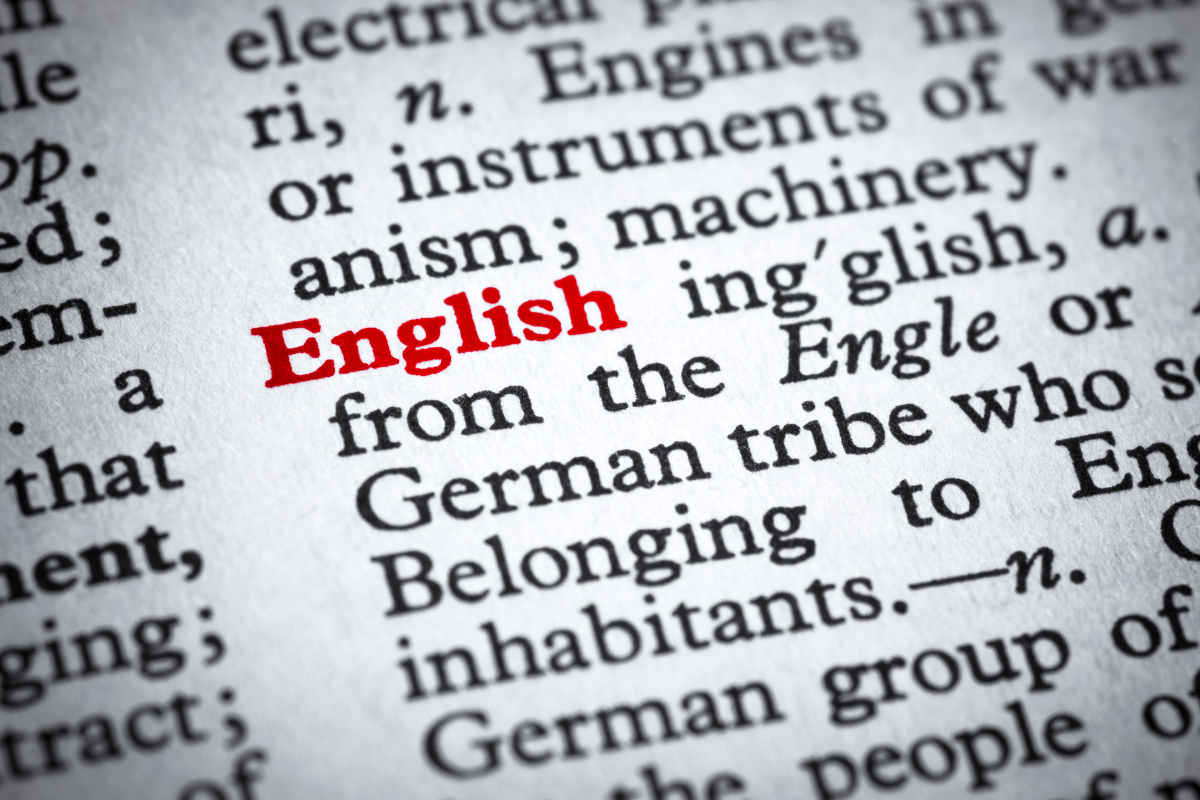
Language is a living, evolving system that continuously adapts to social, cultural, and technological changes. One of the most fascinating aspects of language evolution is how words change their meanings over time. This dynamic process reflects shifts in human experience, communication needs, and societal values, highlighting the ever-changing nature of human expression.
Mechanisms Behind Changes in Word Meaning
Words can change meaning through several linguistic processes. Semantic change involves shifts in the denotation or connotation of words. This may include broadening, where a word’s meaning expands to include more contexts, or narrowing, where it becomes more specific. For example, the word “dog” originally referred to a particular breed but broadened over time to mean all domestic canines.
Other processes include metaphorical extension, where a word takes on new meanings related by analogy, and pejoration or amelioration, where words acquire more negative or positive connotations respectively. External influences such as borrowing from other languages also introduce new meanings or words, enriching the language.
Social and Cultural Influences
Language reflects the society using it, so shifts in culture, technology, politics, and belief systems drive semantic change. For example, technological advancements have given old words new meanings—“tweet” once referred to birdsong and now also means a social media post. Changes in social attitudes can also influence usage, as seen in evolving terms related to gender, race, or status.
Linguistic Evolution as Natural Adaptation
Like biological evolution, language adapts organically to fit the needs of its speakers. Generation by generation, pronunciation, grammar, and vocabulary evolve, influenced by geography, social groups, and contact with other languages. Over centuries, these cumulative changes can create entirely new languages, illustrating how vital adaptation is to communication survival.
Impacts on Communication and Understanding
Changing word meanings can both enrich communication and pose challenges. While semantic shifts allow precision and creativity, they can cause misunderstandings across generations or regions if meanings diverge significantly. Awareness of language evolution enhances effective communication, interpretation of texts, and language teaching.
Examples of Meaning Shifts
- Broadening: “Bird” once meant a young bird but now represents all avian species.
- Narrowing: “Meat” used to mean any food but now specifically animal flesh.
- Pejoration: “Silly” shifted from meaning happy or fortunate to foolish.
- Amelioration: “Knight” moved from servant to noble warrior.
- Borrowing: Words like “pork” came from French, changing English culinary vocabulary.
Embracing Language Change
Understanding that language is fluid encourages openness to linguistic diversity and generational differences. It also fosters appreciation for how languages grow and adapt, reflecting humanity’s constant innovation in expression and connection.
FAQ
Why do words change meanings?
Due to linguistic processes like broadening, narrowing, metaphor, connotation shifts, and language contact.
How do societal changes affect language?
Technological, cultural, and social shifts introduce new terms and meanings or alter existing ones.
Is language evolution similar to biological evolution?
Yes, both involve gradual, adaptive changes across generations to fit environments and needs.
Can meaning changes cause communication issues?
Yes, particularly across age groups or dialects where meanings might diverge.
What are some common types of semantic change?
Broadening, narrowing, pejoration, amelioration, and borrowing from other languages.