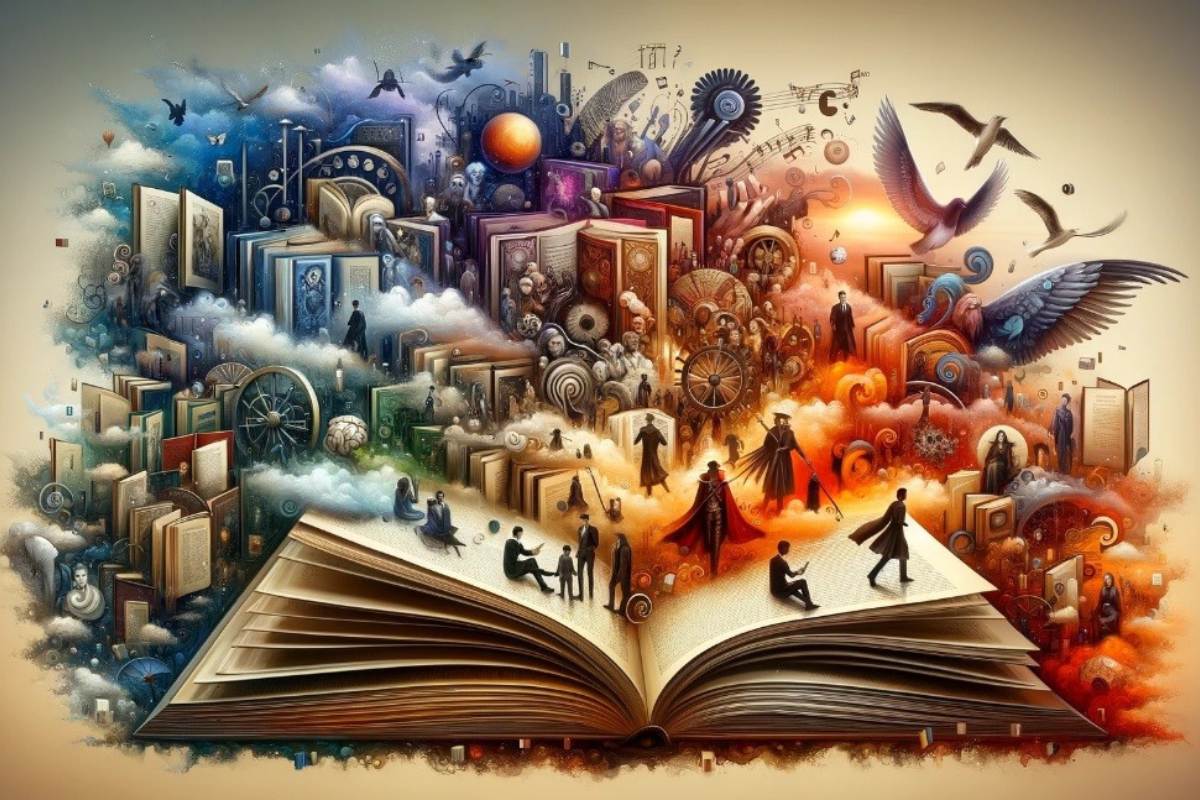
English language fuels artistic expression across disciplines, providing tools for metaphor, rhythm, and narrative that spark imagination in literature, music, visual arts, and performance. Its flexibility enables poets to craft vivid imagery, musicians to layer lyrics with melody, and visual artists to embed text in canvases, transcending cultural boundaries. This interplay enhances creativity by merging linguistic precision with emotional depth, fostering innovation in artistic output.
Language in Literature and Poetry
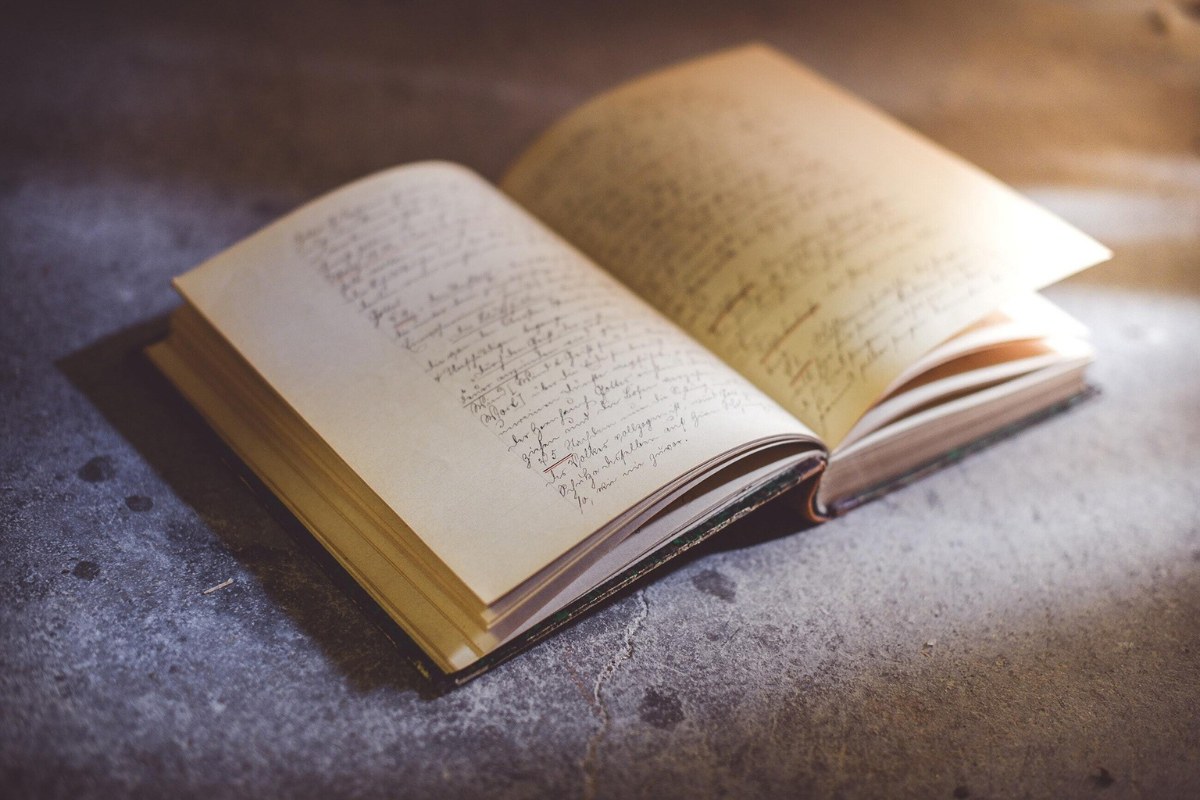
English literature thrives on wordplay, where authors like Shakespeare and Keats manipulate syntax, alliteration, and assonance to evoke moods and universes. Prose builds immersive worlds through descriptive fluency, challenging norms and exploring psyches via metaphors and idioms. Poetry paints with words, using rhythm to transport readers, as seen in Neruda’s emotive lines or Plath’s charged verses.
This linguistic artistry inspires adaptations into other media, enriching theater and film dialogues that resonate universally. Studies confirm language shapes art interpretation, activating creative brain regions for deeper engagement.
Music and Performance Fusion
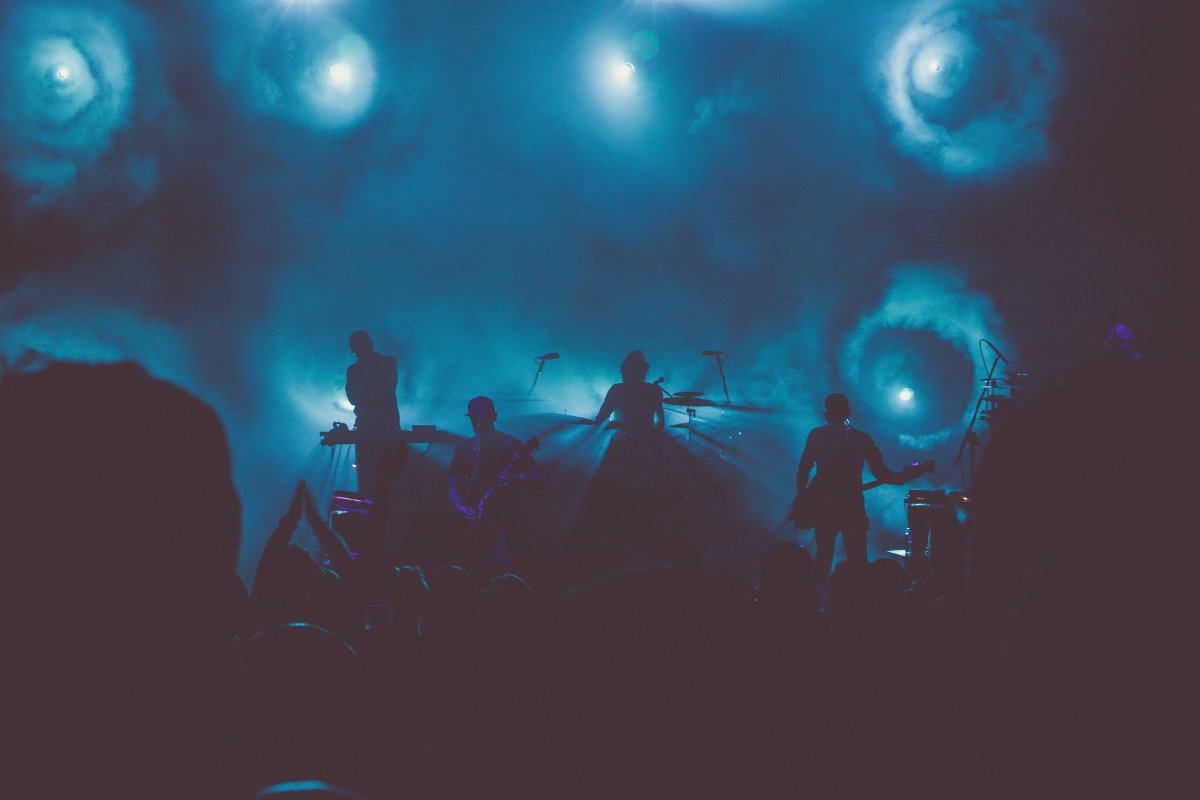
Songwriters harness English’s phonetic richness, blending lyrics with harmony to convey emotion—from ballads to anthems—elevating expression through intonation and repetition. Spoken-word artists and performers dance with diction, captivating via delivery that amplifies meaning.
These forms draw from literary roots, using neologisms and similes for fresh impact, proving language’s role in rhythmic innovation. Collaborative arts lessons show this boosts fluency and motivation, turning words into memorable performances.
Visual Arts and Multilingual Expression
Visual artists integrate English via calligraphy, graffiti, and typography, turning text into symbolic elements that provoke thought and challenge viewers. Artist statements and catalogs articulate concepts, expanding reach in global exhibitions.
From murals to contemporary pieces, words fuse with visuals for intellectual layers, as in Chinese-influenced scripts or street art messaging. Educational integrations reveal art stimulates descriptive language, enhancing both creativity and literacy.
Educational and Cultural Impact
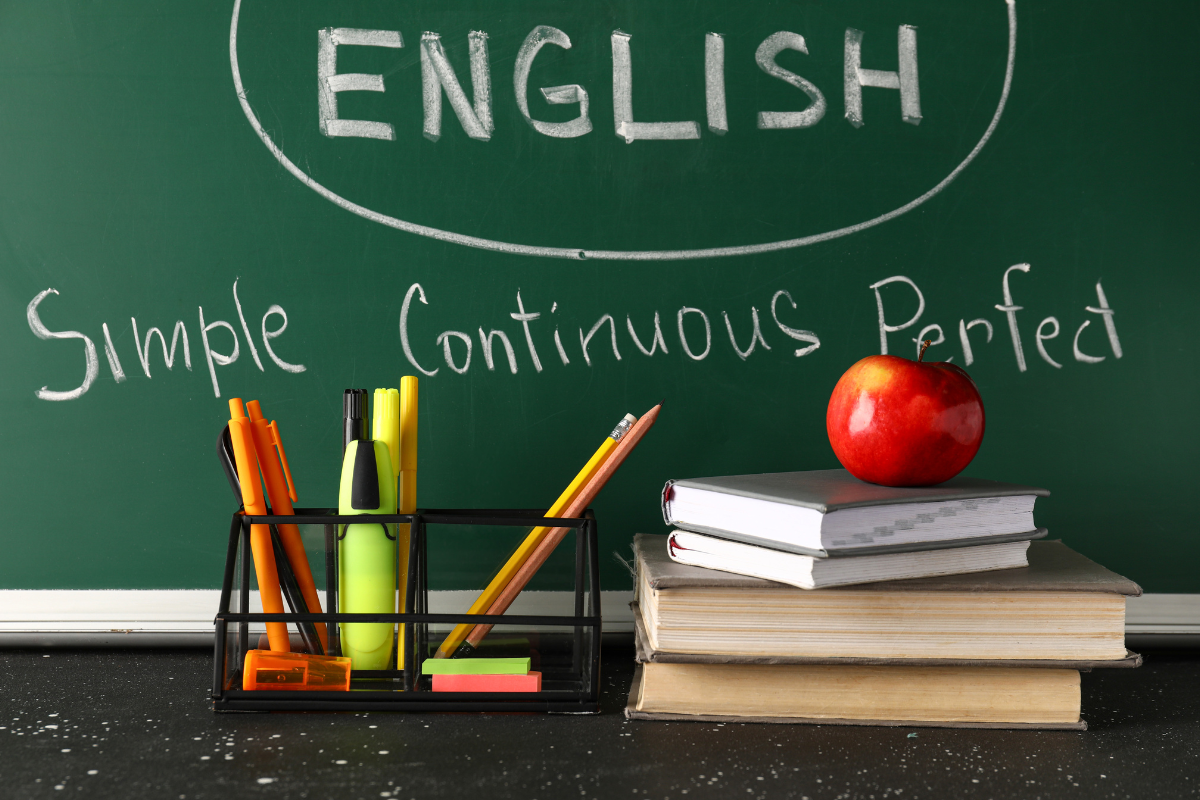
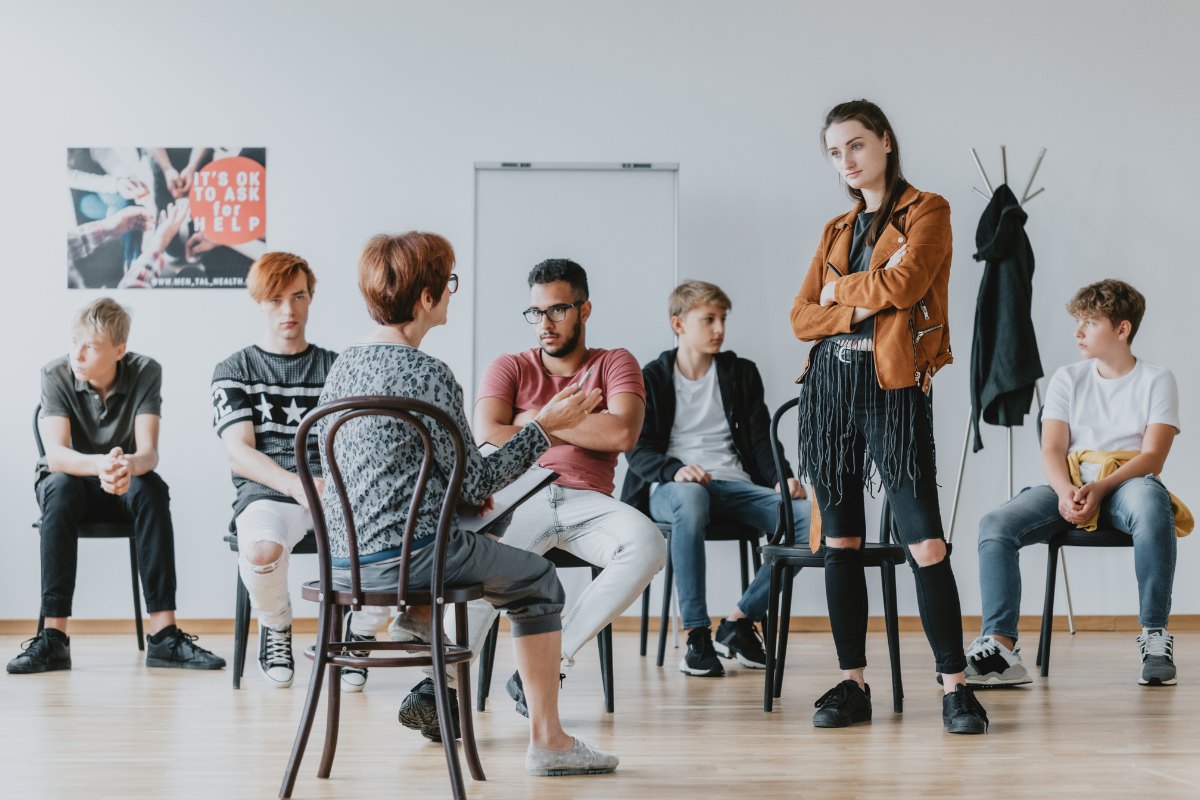
Classrooms merge English with crafts—drawing scenes, crafting props—to make language active and hands-on, embedding vocabulary like colors and instructions memorably. This reduces anxiety, builds competence, and ignites intrinsic motivation through self-expression.
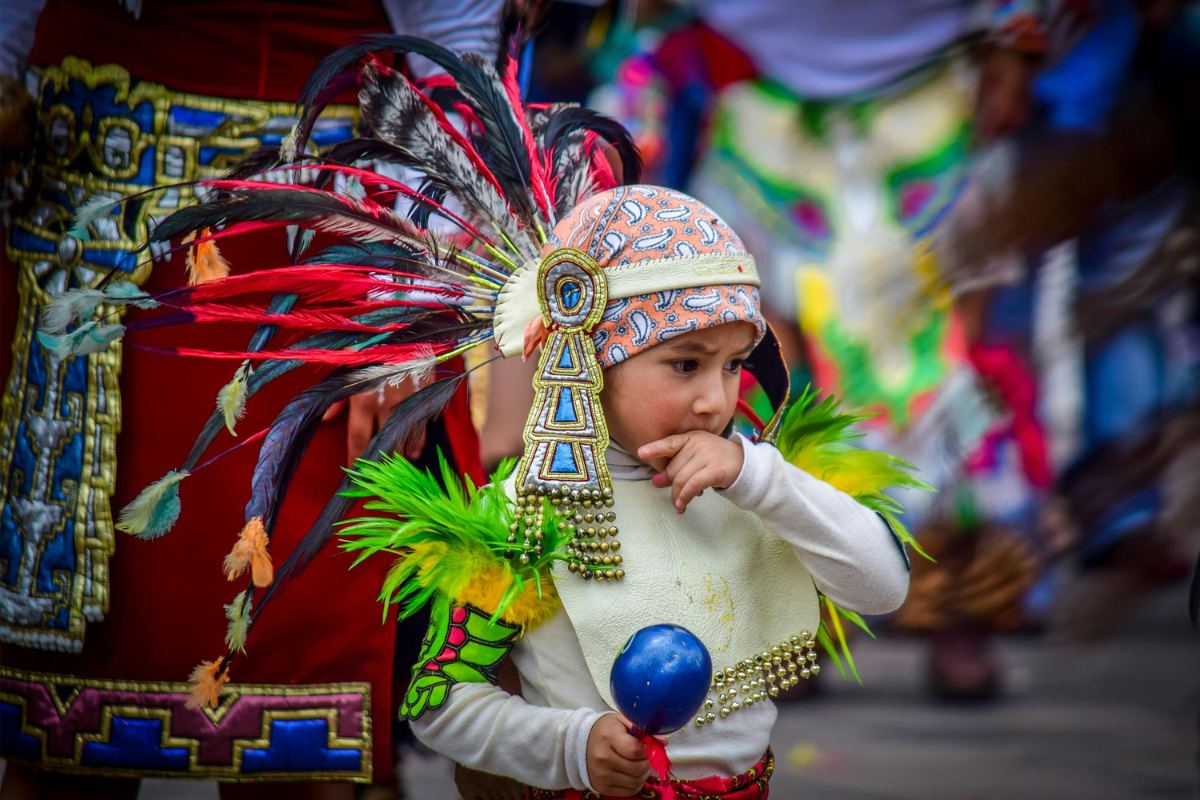
Culturally, English bridges local narratives to global audiences, inspiring hybrid works that preserve heritage while innovating. Ultimately, its evolution sustains artistic vitality across eras.
FAQ
How does English inspire poetry?
Through rhythm, metaphors, and sound devices like alliteration, poets create emotional imagery and transport readers.
Why integrate language with visual arts?
Text in art conveys messages symbolically, while statements explain concepts, broadening artist impact.
What role does English play in music?
Lyrics fuse with melody for emotive power, using nuances to evoke wide emotional ranges.
Can arts boost English learning?
Yes, hands-on activities like drawing reduce tension, enhance motivation, and improve fluency.
How does language shape art perception?
It activates creative brain areas, influencing interpretation and depth of understanding.