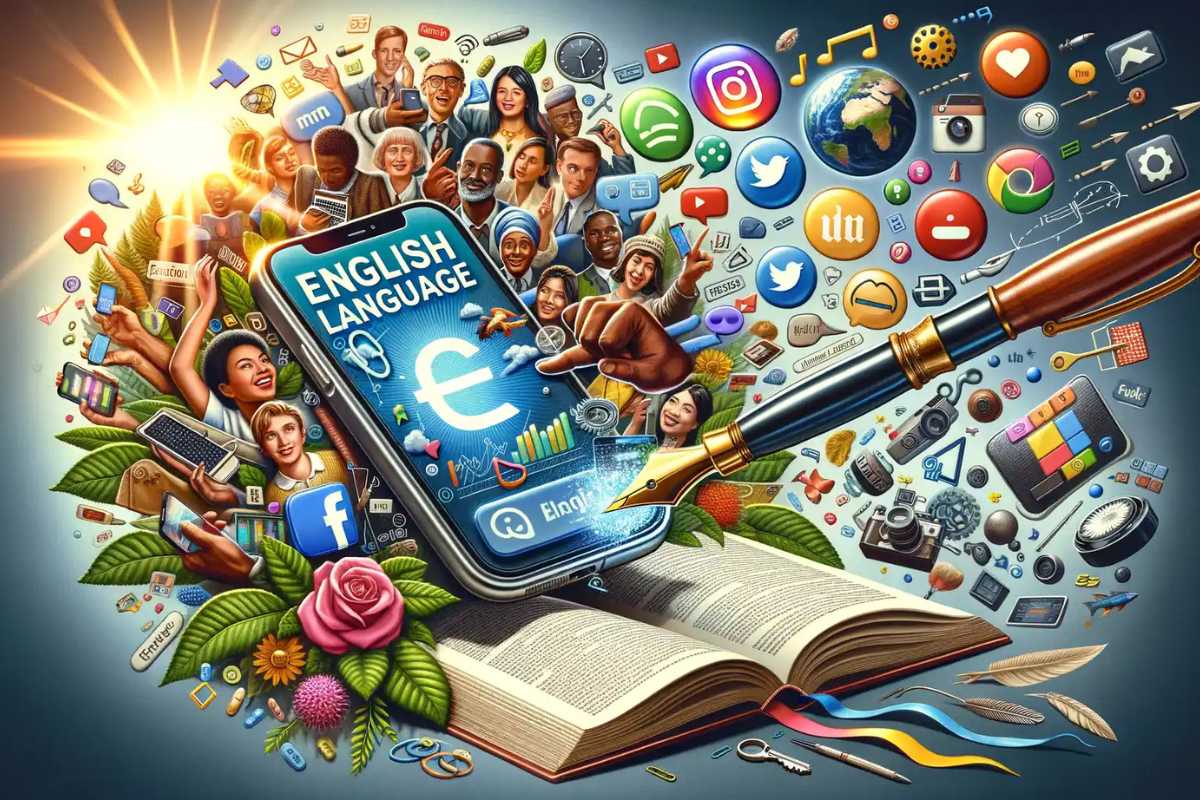
The internet has fundamentally transformed the English language, accelerating its evolution in vocabulary, grammar, and communication style at an unprecedented pace. Just as the printing press revolutionized language centuries ago, the digital age’s fast, informal, and global communication is driving rapid linguistic innovation.
Understanding this revolution sheds light on how English adapts dynamically to modern demands, creating new opportunities and challenges for speakers worldwide.
Explosion of New Vocabulary
The internet introduces thousands of neologisms—newly coined words—often originating in online communities, social media, and digital subcultures. The internet introduces thousands of neologisms—newly coined words—often originating in online communities, social media, and digital subcultures.
Acronyms like “LOL” (laugh out loud), blended words like “binge-watch,” and terms like “selfie” have entered everyday English. These words cater to the fast-paced, efficient style of online communication while reflecting contemporary culture.
Shift Toward Informal and Hybrid Language Styles
Online English increasingly blends spoken and written forms, creating a hybrid that favors brevity, informal tone, and emotive expression. Online English increasingly blends spoken and written forms, creating a hybrid that favors brevity, informal tone, and emotive expression.
The use of emojis, GIFs, and memes supplements text communication, conveying tone and emotion. This trend redefines literacy boundaries and develops new communicative norms adapted to digital contexts.
Democratization and Globalization of English
The internet connects English speakers worldwide, breaking geographic and social barriers.The internet connects English speakers worldwide, breaking geographic and social barriers.
Varieties of English, including British and American forms, influence one another rapidly, leading to cross-pollination of vocabulary and spellings. Global access also empowers diverse communities to contribute to English’s evolution, making it more inclusive and multifunctional.
Impact on Grammar and Syntax
Digital communication’s emphasis on speed and efficiency has led to subtle but notable grammar shifts.Digital communication’s emphasis on speed and efficiency has led to subtle but notable grammar shifts. Sentence fragmentation, omission of articles or auxiliary verbs, and more flexible punctuation use are common. While these changes pose challenges to traditional grammar norms, they reflect natural language adaptation to new contexts.
Challenges and Considerations
While the internet enriches English, concerns about simplification, loss of formal language skills, and digital divide persist.While the internet enriches English, concerns about simplification, loss of formal language skills, and digital divide persist.
Misinformation, language elitism, and exclusion due to uneven digital literacy also pose challenges. Balancing innovation with language education and critical literacy is necessary to harness internet-driven language evolution positively.
Looking Ahead: The Continuing Revolution
English will continue evolving rapidly with technological advances like AI, voice assistants, and virtual spaces influencing usage patterns. English will continue evolving rapidly with technological advances like AI, voice assistants, and virtual spaces influencing usage patterns.
This ongoing linguistic transformation promises richer, more adaptive ways of communication, reflecting human creativity and global interconnectedness.
FAQ
How has the internet changed English vocabulary?
By creating new words, acronyms, and blended terms that reflect fast digital communication.
What is hybrid language in online English?
A mix of spoken and written styles with informal tone, emojis, and memes.
How does the internet affect global English varieties?
It facilitates rapid cross-influence and democratizes language change worldwide.
Are grammar rules affected by internet English?
Yes, grammar has become more flexible with common sentence fragmentations and omitted elements.
What challenges arise from internet-driven language changes?
Concerns include language simplification, digital literacy gaps, and misinformation.