Language plays a profound role in shaping and expressing identity, reflecting who we are culturally, socially, and personally. It acts as a marker of belonging, a vehicle for heritage, and a medium to communicate individuality and community values. Through language, people convey their backgrounds, beliefs, and social affiliations, highlighting the deep connection between language and identity.
Language as an Expression of Identity
Our choice of words, dialects, and accents signals our cultural roots and social groups. Language expresses not only ideas but emotional and cultural narratives, providing a sense of continuity and belonging. For example, individuals raised in bilingual homes often develop hybrid linguistic identities blending multiple cultural influences. Dialects or slang can symbolize membership in a particular community or region, enhancing social cohesion.
Cultural Identity and Heritage
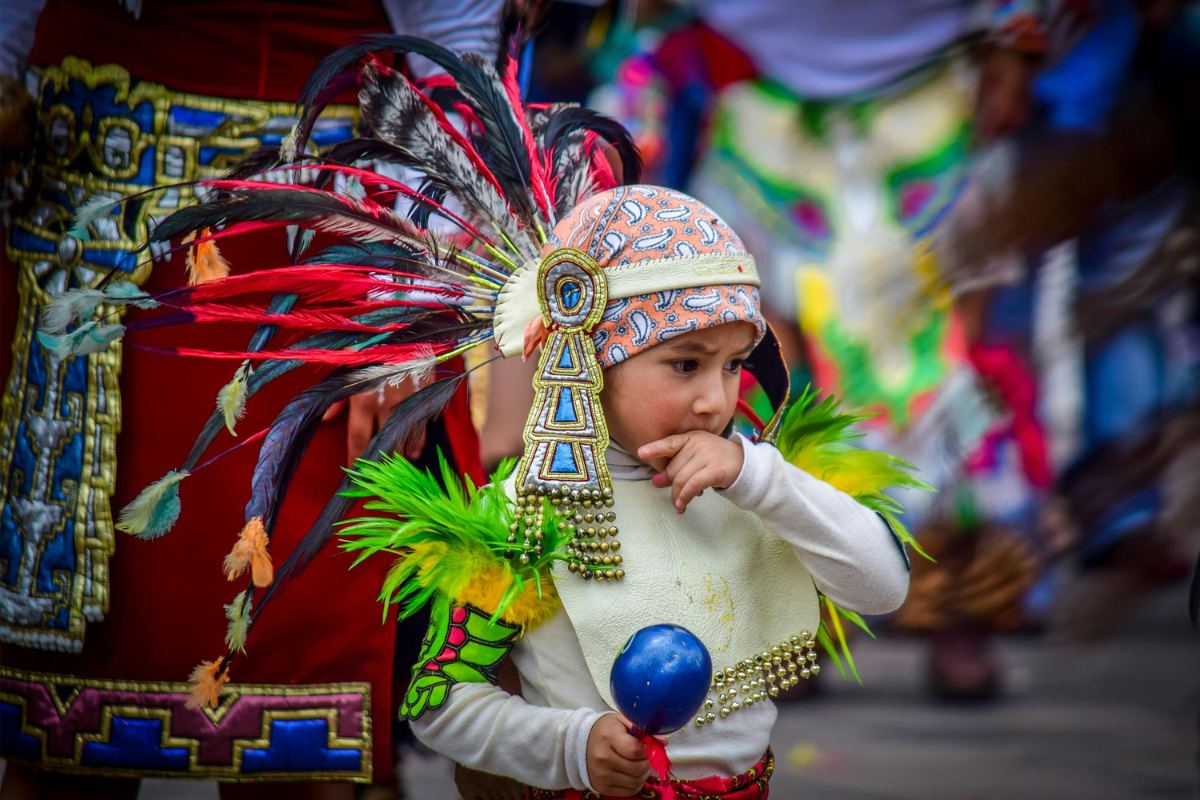
Language carries traditions, customs, and values across generations, preserving cultural heritage. Minority and indigenous languages embody unique worldviews, making their preservation vital for maintaining cultural diversity. Speaking a native language fosters pride and emotional connection to one’s ancestry, while language loss threatens cultural erasure. Even within languages, accents and regional vocabulary underline distinct cultural narratives, fostering community pride.
Language and Social Identity Formation
Linguistic choices also reflect shifting identities influenced by age, environment, and social groups. Adolescents, for instance, align with peer groups through language styles that differentiate them from adults. Language is dynamic, shaped by interaction and personal development, revealing how individual identities evolve alongside language use. Moreover, language can challenge or reinforce social hierarchies, influencing perceptions of status or ethnicity.
Language as a Tool for Empowerment and Inclusion
Recognizing linguistic diversity encourages inclusivity, allowing marginalized language communities to assert their identities confidently. Educational and social policies fostering multilingualism support cognitive benefits and social harmony. Celebrating language diversity nurtures respect, empathy, and communication across cultural divides, vital in our globalized world.
FAQ
Q1: How does language express personal identity?
Through dialect, accent, vocabulary, and communication style that reflect cultural background and social affiliations.
Q2: Why is preserving minority languages important?
They carry unique cultural knowledge and offer emotional connection to heritage, preventing cultural loss.
Q3: Can language change as identities evolve?
Yes, language use shifts with age, social environment, and personal growth, reflecting dynamic identities.
Q4: How does language influence group belonging?
Shared linguistic practices create bonds and signal group membership, fostering community coherence.
Q5: What role does language have in social inclusion?
Supporting linguistic diversity promotes empathy, reduces bias, and enhances cross-cultural understanding.