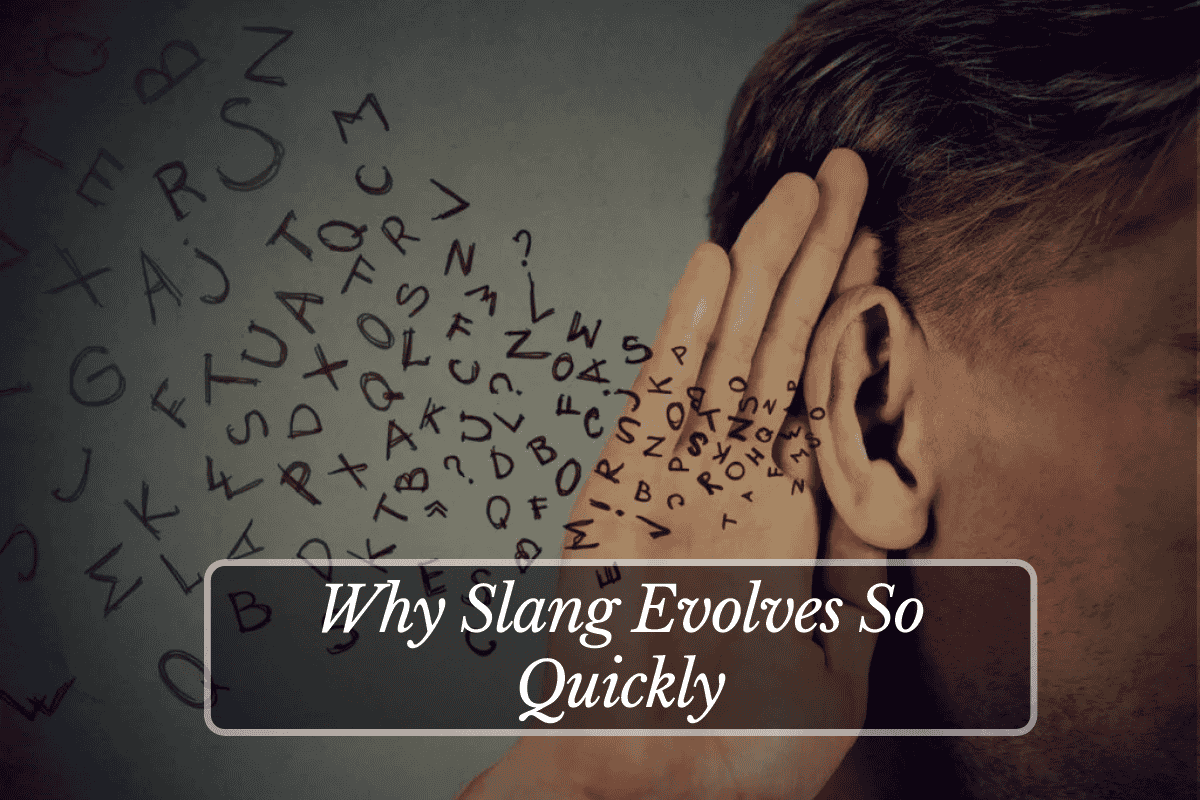
Slang evolves rapidly because it serves as a vibrant social tool for signaling identity, building community, and adapting to fast-changing cultural realities. It is most often created and popularized by youth and subcultures, who use slang to establish boundaries from mainstream or older generations, express creativity, and respond to evolving trends.
In our digital age, the speed of culture—driven by social media and instant communication—makes slang change faster than ever before.
Factors Driving the Rapid Evolution of Slang
Several key factors contribute to why slang changes so quickly:
- Youth and Subcultural Innovation: Young people are primary innovators of slang, using it to mark social identity, creativity, and rebellion. Each generation frequently introduces new terms that resonate with their experiences and humor.
- Social Media and Digital Communication: Platforms like TikTok, Twitter, and Instagram accelerate slang’s spread globally. A slang term can originate in a niche online community and become widely known in days, driven by memes, viral challenges, and rapid content sharing.
- Cultural and Technological Shifts: New social movements, technologies, and cultural phenomena create a need for fresh vocabulary to capture novel experiences or emotions, leading to continuous slang innovation.
- Cognitive Appeal: Slang terms often strike a balance between novelty and usability. They grab attention for their wit or freshness and must be easy to remember and incorporate into existing linguistic patterns, ensuring adoption without overwhelming comprehension.
Slang as a Marker of Identity and Social Function
Slang serves as a powerful tool for social differentiation, signaling membership in particular groups while excluding outsiders. This linguistic boundary-making is essential in youth culture but also among subcultures defined by region, ethnicity, or interests. As such, slang is intimately tied to identity negotiation, expressing shared values and experiences.
Additionally, slang frequently exhibits polysemy—multiple meanings depending on context—making it adaptive and dynamic. This trait contributes to its rapid evolution as meanings shift or branches off into new senses.
Examples and Cultural Impact
Some slang terms start as viral jokes or song references before becoming mainstream. Examples include “selfie” (a self-taken photo), “hangry” (hungry + angry), and “stan” (obsessive fan from Eminem’s song). These words quickly transition from informal slang to recognized parts of the language, demonstrating slang’s role in shaping evolving communication.
The perpetual birth and death of slang terms reflect society’s fast-paced changes and the demand for linguistic creativity and immediacy. Slang influences the broader language and can lead to lexical innovation and semantic shifts within the general lexicon.
Frequently Asked Questions (FAQs)
1. Why does slang change faster than standard language?
Slang changes faster because it is often created and spread within youth and subcultures who rapidly innovate language to express identity and respond to cultural shifts, accelerated further by social media.
2. How does social media affect slang evolution?
Social media platforms enable slang terms to spread globally within hours or days through viral content, memes, and community engagement, greatly speeding linguistic change.
3. What role does identity play in slang use?
Slang is a key marker of group identity, helping individuals signal belonging to particular social or cultural groups while distinguishing themselves from others.
4. Can slang terms become part of formal language?
Yes, many slang words become widely accepted and eventually enter dictionaries as permanent parts of the language, such as “selfie” and “hangry”.
5. Why is slang often context-dependent with multiple meanings?
Slang’s meanings shift based on social context because it is flexible and used creatively, allowing words to carry different or evolving senses within various groups.
Slang’s rapid evolution reflects humanity’s creativity, social dynamics, and the accelerating pace of cultural change, making it a fascinating and essential aspect of language development.