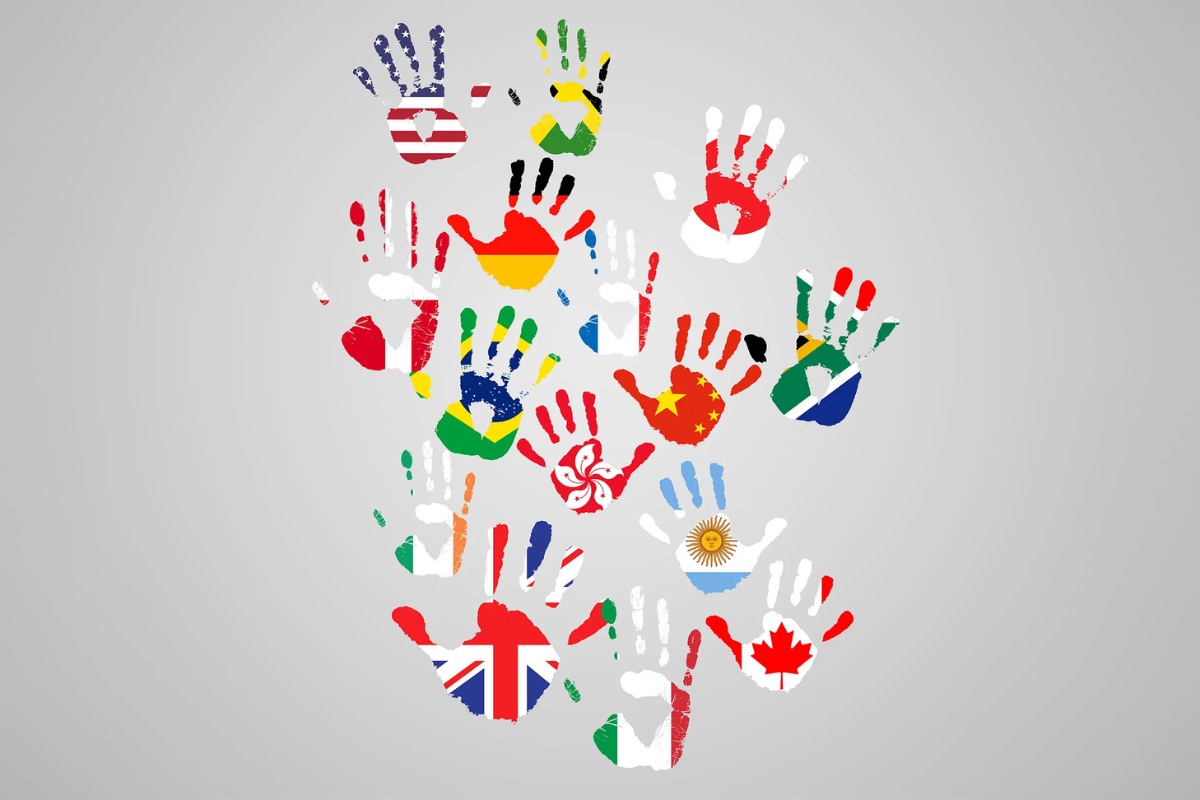
English has evolved into a global lingua franca, playing a vital role in connecting people from diverse cultural, linguistic, and social backgrounds. In our highly interconnected world, English facilitates communication across borders, fostering cultural exchange, educational opportunities, and international cooperation. Its widespread use transcends nationalities and cultures, making English a bridge that unites diverse communities.
English as a Global Communication Tool
English is the primary language of international business, diplomacy, science, and technology. Its role as a global communication tool enables individuals and organizations to collaborate effectively, overcoming language barriers that might otherwise hinder progress. By serving as a common medium, English promotes understanding and facilitates the exchange of ideas, goods, and services worldwide.
Fostering Cultural Exchange and Mutual Understanding
Through English, diverse cultures share art, literature, music, and media, enriching global cultural landscapes. This cross-cultural interaction nurtures empathy and appreciation for differences, promoting tolerance and reducing stereotypes. Events like international film festivals and literary awards often feature English as a medium, allowing creators to reach broader audiences and facilitating intercultural dialogue.
Education and Social Integration
English proficiency opens doors to quality education and cross-border academic collaboration. It enables students and professionals to engage with global knowledge networks, participate in international exchanges, and develop skills required in a globalized workforce. Furthermore, English learning fosters social integration by helping migrants and minorities connect with host communities while preserving their cultural identity through bilingualism or multilingualism.
Challenges and the Need for Balance
While English facilitates connection, its dominance raises concerns about linguistic imperialism and cultural homogenization. Non-native speakers may face barriers due to accent discrimination or limited access to English education. Overemphasis on English can marginalize local languages, threatening cultural diversity. Balancing English’s global utility with the preservation of linguistic and cultural heritage is crucial.
Promoting Multilingualism and Inclusive Language Policies
Recognizing the value of all languages, institutions and governments increasingly support multilingual education and policies. Inclusive strategies promote the learning and use of multiple languages alongside English, enriching communication and cultural competence. Such approaches empower communities to participate fully in global conversations without losing their linguistic identities.
The Digital Age and English’s Expanding Reach
Digital platforms amplify English’s unifying role by connecting vast, diverse online communities. English-language media, podcasts, and educational resources facilitate global learning and social networking. However, digital inclusion efforts are needed to bridge gaps ensuring equitable access and representation of diverse voices online.
FAQ
How does English connect diverse communities globally?
By serving as a common language for business, education, culture, and diplomacy, facilitating communication and collaboration.
What cultural benefits come from English use?
It enables broad sharing and appreciation of global art, literature, and media, fostering empathy.
What challenges does English dominance pose?
Risks include marginalization of local languages, linguistic inequality, and cultural homogenization.
How can multilingualism complement English?
By promoting language diversity and inclusive policies, empowering cultural identity alongside global communication.
What role does digital technology play?
It expands English’s reach online, connecting diverse communities but requires efforts for equitable access.