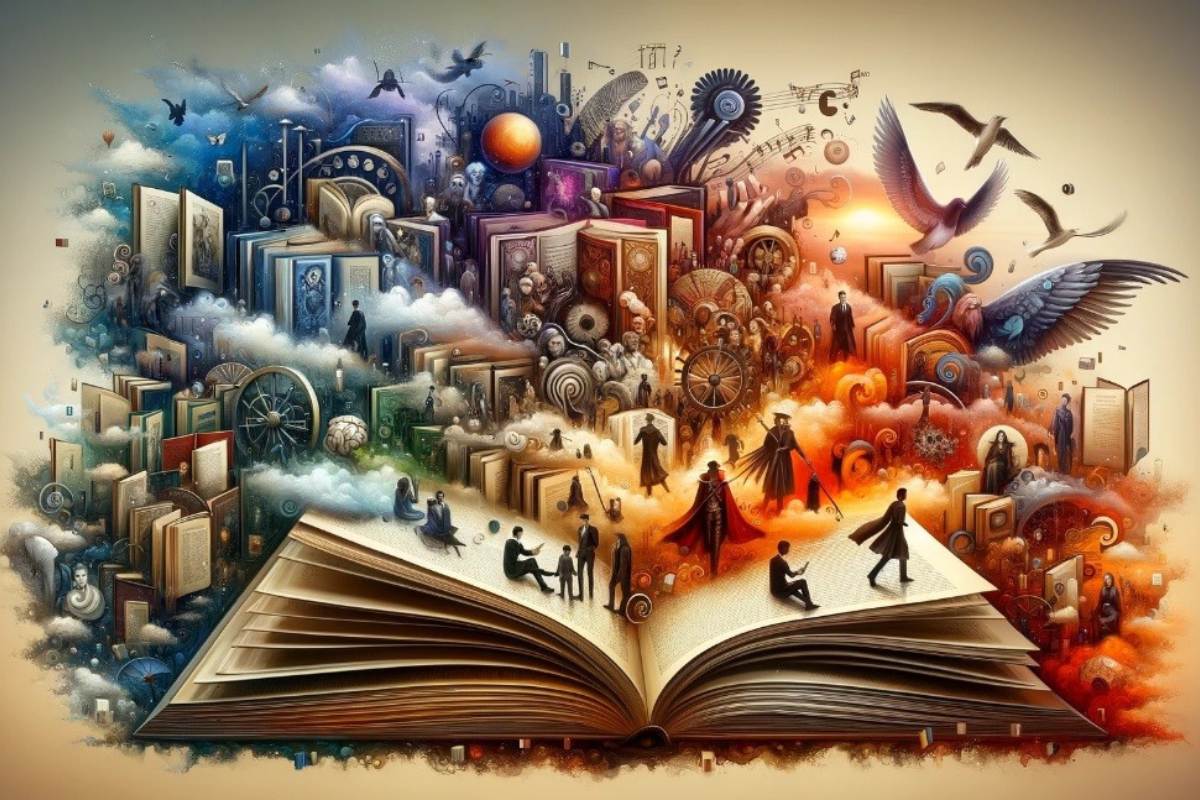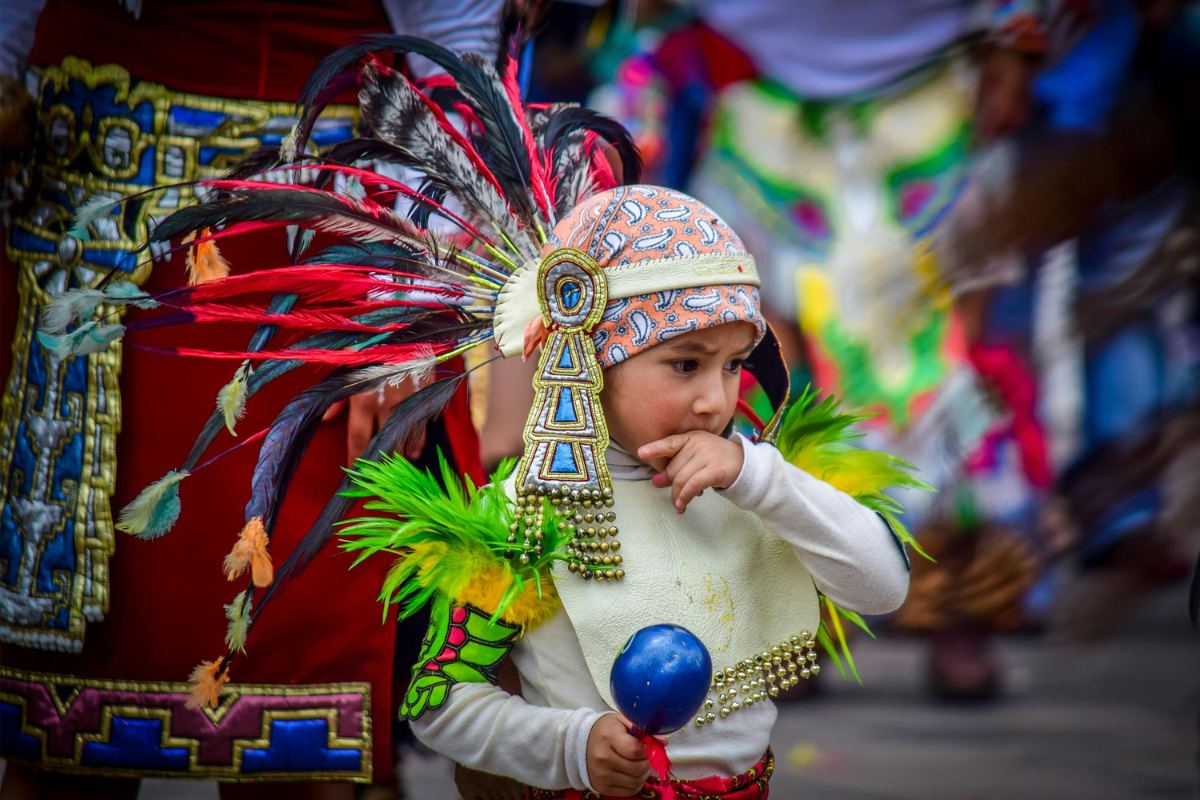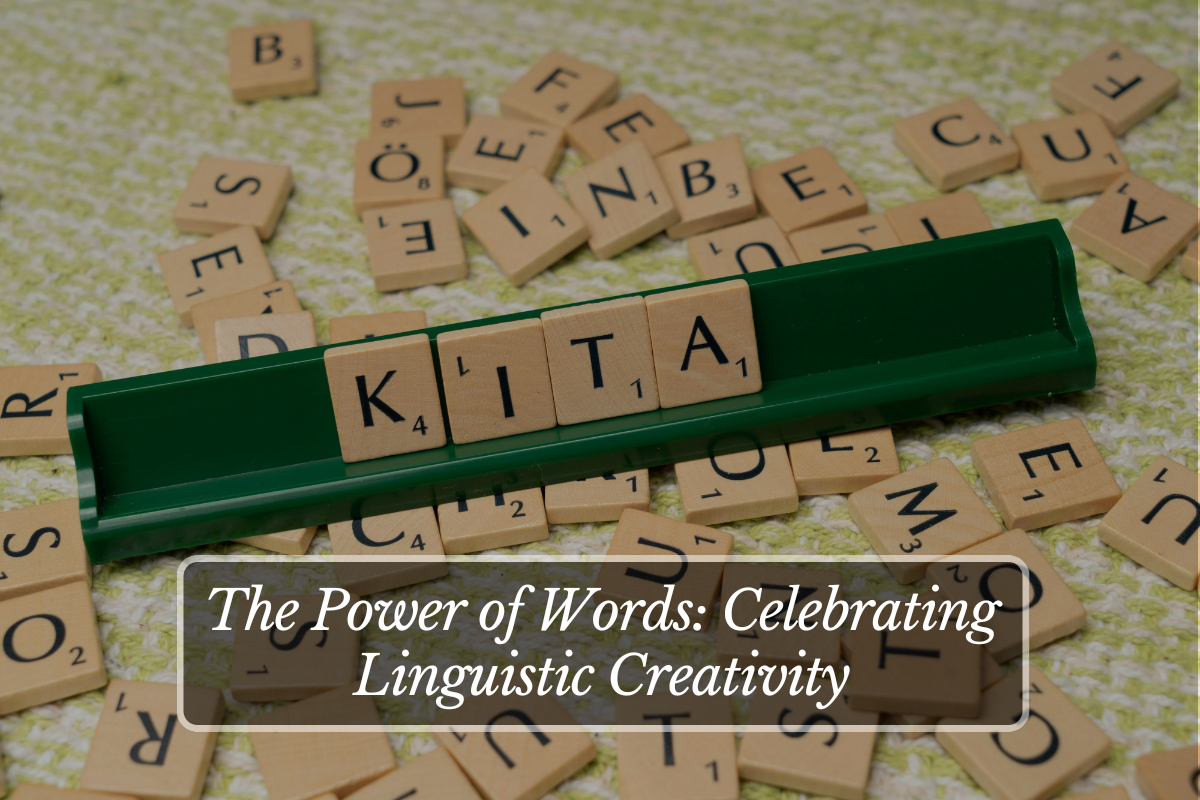
The power of words lies in linguistic creativity, which transforms everyday language into vibrant expressions through wordplay, metaphors, and cultural innovation, captivating audiences and fostering deeper connections in communication. This creativity shines in sports commentary, team motivation, and global narratives, where vivid phrasing turns routine plays into epic tales.
Defining Linguistic Creativity
Linguistic creativity involves inventive use of language—puns, alliteration, metaphors, and neologisms—to convey ideas with flair and impact. In sports, commentators deploy exclamations like “What a magnificent strike!” to evoke euphoria, blending analysis with storytelling for emotional engagement. It elevates mundane descriptions into immersive experiences, enhancing spectator immersion and cultural resonance.
Role in Sports Communication
Sports thrive on dynamic language that bridges diverse teams and fans. Verbal tactics, such as clear play calls or motivational rhetoric, unify multilingual squads, reducing errors from misunderstandings. Creativity in commentary adapts styles—formal stats breakdowns to enthusiastic bursts—building national pride via inclusive pronouns like “we” and cultural allusions.
Key Elements of Creative Expression
- Figurative Language: Metaphors compare a player’s speed to “lightning,” painting vivid mental images that heighten excitement.
- Politeness and Adaptation: Commentators switch languages or tones for global audiences, fostering inclusivity and relatability.
- Vocabulary Innovation: Sports-specific terms evolve, like “dribble wizardry,” mixing jargon with flair for precise, engaging discourse.
- Interactive Storytelling: Blogs and social media use pragmatic strategies to provoke reactions, turning fans into participants.
Broader Impacts and Applications
Beyond sports, linguistic creativity boosts team cohesion, media relations, and conflict resolution by clarifying instructions and inspiring morale. It supports player development through feedback and aids international competitions by overcoming barriers. Mastering it enhances professional profiles, from press conferences to fan engagement.
FAQ
Q1: How does linguistic creativity improve sports team performance?
It clarifies tactics, motivates players, and builds unity, minimizing miscommunications in high-stakes moments.
Q2: What makes sports commentary linguistically creative?
Dynamic shifts from analytical data to emotional exclamations, using figurative language for audience thrill.
Q3: Can linguistic creativity bridge language barriers in teams?
Yes, through adaptive strategies and shared vocabulary, fostering trust and quick in-game adjustments.
Q4: Why is vocabulary key to creative sports language?
Rich, specialized words enable precise descriptions and visual storytelling in posts or broadcasts.
Q5: How can individuals develop linguistic creativity?
Practice metaphors, read diverse commentary, and experiment in social media for interactive feedback.