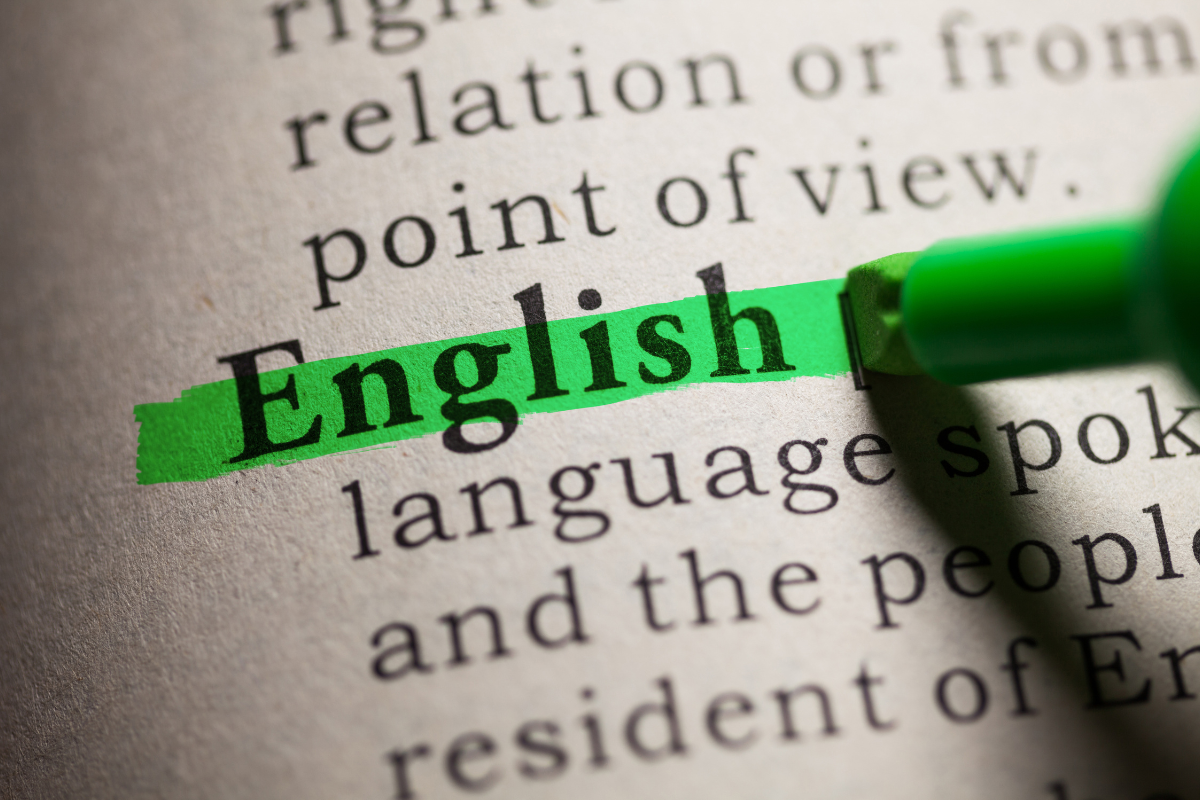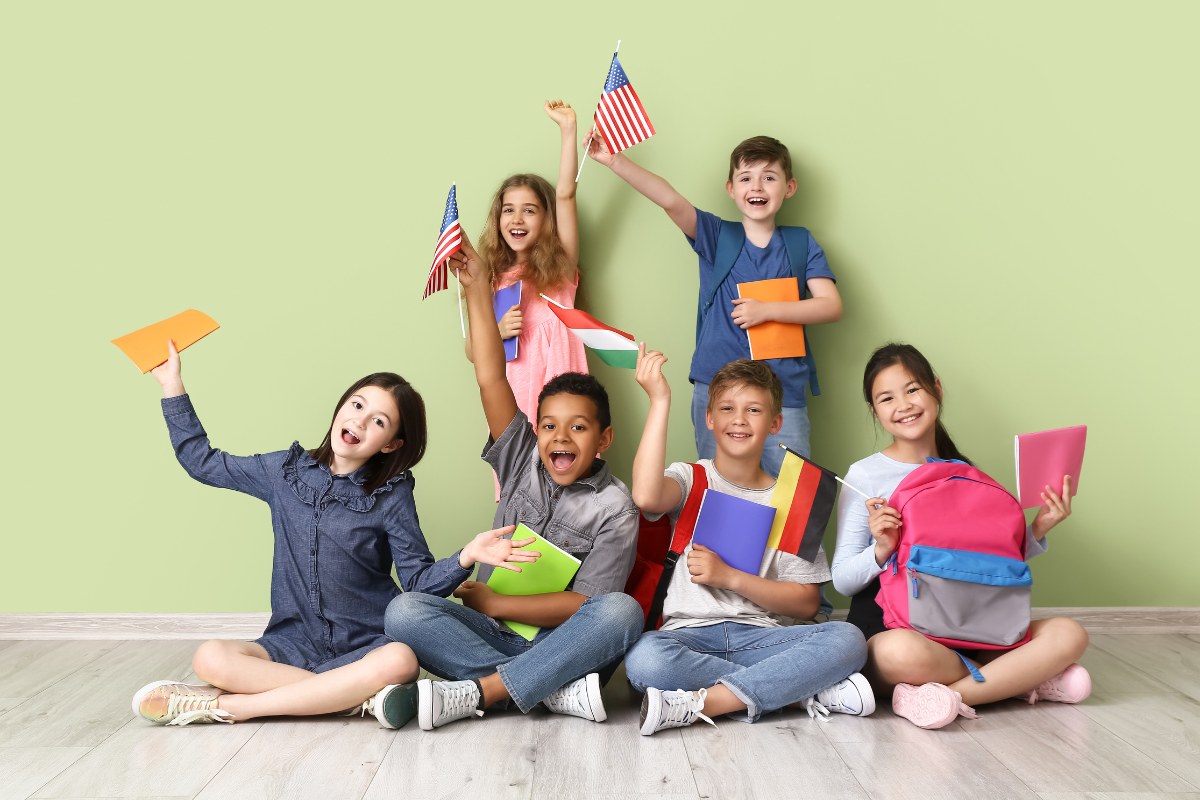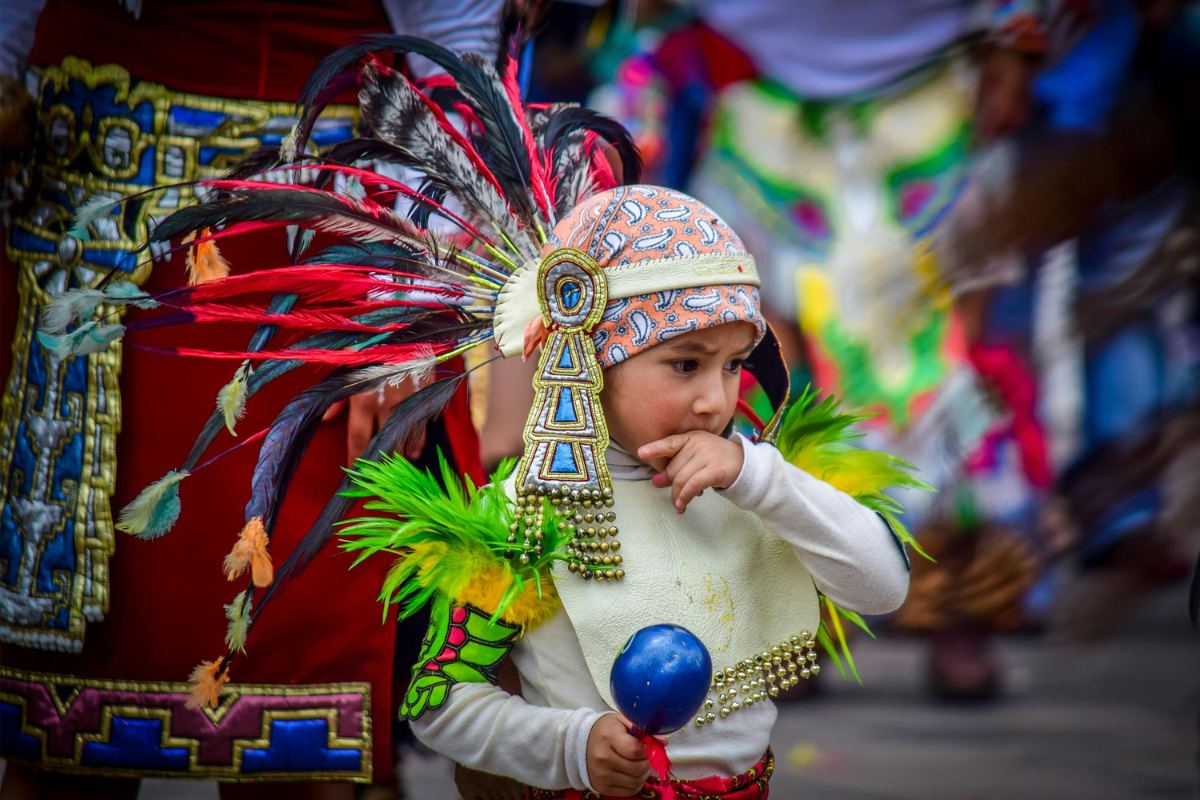
English connects to global traditions as a linguistic bridge shaped by colonialism, trade, and migration, absorbing words from diverse cultures while spreading British and American customs worldwide.
From “bungalow” (Hindi) to “karaoke” (Japanese), it incorporates 60% non-Germanic vocabulary, facilitating cultural exchange in festivals, cuisine, and arts. This evolution fosters hybrid traditions like Hinglish Diwali songs or Spanglish Christmas carols, uniting 1.5 billion speakers.
Historical Spread and Cultural Borrowing
English spread via the British Empire and U.S. influence, becoming the language of 75 countries and commerce. It borrowed extensively—Norman French added 10,000 words post-1066, Norse pronouns like “they,” and global terms from colonies: “pyjamas” (Hindi), “ketchup” (Chinese via Malay). This lexicon mirrors traditions, embedding tea ceremonies (via “chai”) or yoga globally.
Hybrid Traditions and Code-Switching
In multilingual societies, English hybrids preserve local flavors: Indian Hinglish blends in Bollywood (“Yeh Dil Maange More”), Philippine Taglish in fiestas, or Nigerian Pidgin in Christmas jollof debates. Social media accelerates this, with #Diwali2025 posts mixing Devanagari and English, creating shared global celebrations.
Role in Festivals and Cultural Exchange
English narrates traditions worldwide: Shakespeare’s Midsummer Night’s Dream inspires global plays, while Thanksgiving spreads via U.S. media. It enables cross-cultural festivals—Burning Man adopts global art, K-pop borrows English hooks. Translation preserves essence, though nuances like Japanese “wabi-sabi” challenge direct equivalents.
Challenges: Homogenization vs. Enrichment
Dominance risks eroding local languages, but hybrids enrich English, promoting awareness.
Key Connections
| Tradition | English Link |
|---|---|
| Indian Festivals | Hinglish Diwali songs |
| Cuisine | Curry, sushi loanwords |
| Arts | Bollywood, K-pop English hybrids |
| Holidays | Spanglish Christmas, Pidgin New Year |
FAQ
Q1: How did English spread globally?
British Empire and U.S. influence via trade/education.
Q2: What are examples of borrowed words?
Bungalow (Hindi), karaoke (Japanese).
Q3: How does English create hybrids?
Code-switching like Hinglish in festivals.
Q4: Does it erode cultures?
Risks homogenization but enables exchange.