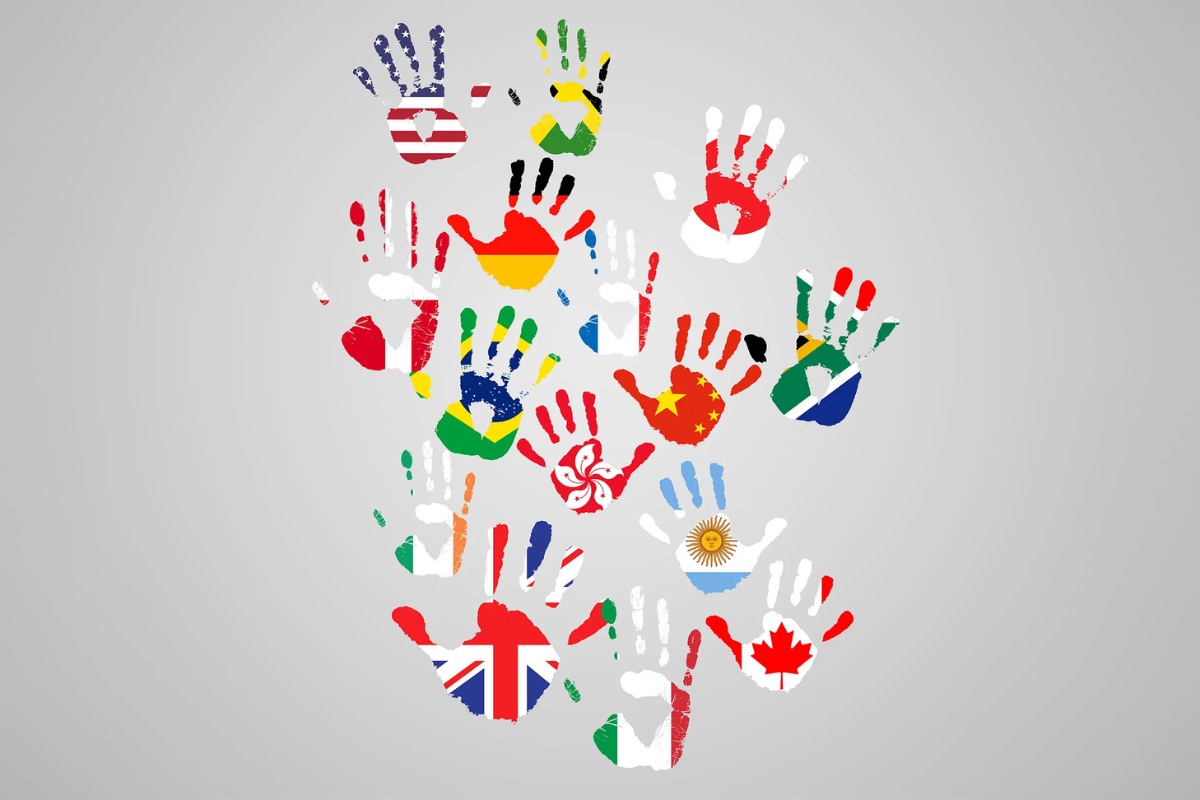
English in the USA embodies cultural adaptation through “World Englishes,” blending immigrant influences, regional dialects, and global borrowings into a dynamic language spoken by 400 million worldwide, with 25% of Americans using non-standard varieties daily.
From Spanglish in border states to AAVE’s viral slang on TikTok, it evolves via migration and media, reflecting America’s multicultural fabric where 22% speak other languages at home. This hybridization enriches expression while maintaining global utility.
Historical Foundations: Colonial Blends
Early American English fused British roots with Native terms like “moose” and “skunk,” plus Dutch “cookie” and French “prairie.” 19th-century immigration added German “kindergarten” and Yiddish “schlep,” shaping Midwestern and urban lexicons amid waves from Europe.
Regional Dialects: Geography Shapes Speech
Southern “y’all” and drawls, Appalachian “reckon,” and Boston “wicked” exemplify intra-U.S. adaptation, spreading via social media. Twitter maps show “boolin'” from Georgia diffusing nationwide, blending rural traditions with urban youth culture.
AAVE: African American Vernacular English Influence
Rooted in Black resilience, AAVE features like “finna” and habitual “be” permeate mainstream via hip-hop and TikTok, with Gen Z adopting 40% of terms. From Cardi B lyrics to memes, it adapts English for expressive rhythm, countering marginalization.
Spanglish and Latino Adaptations
In Southwest states, 40 million Spanish speakers create hybrids—”parquear” (to park), “troca” (truck)—normalizing code-switching in bilingual homes and media. Telenovelas and reggaeton export these to global Latino diasporas.
Asian and New Immigrant Contributions
Chinese “dim sum” and Japanese “karaoke” enter via cuisine and pop culture; Hinglish from South Asian Americans mixes “chai” with slang. Tech hubs like Silicon Valley accelerate borrowings like “desi” for cultural pride.
Digital Globalization and Hybrid Forms
Social media accelerates adaptation—”lit,” “sus” from gaming culture go viral globally. AI translation preserves local flavors while standardizing, ensuring English’s flexibility in multicultural USA.
FAQs
1. What Native words shaped American English?
“Moose,” “skunk,” and “prairie” from indigenous languages.
2. How does AAVE influence modern slang?
Terms like “finna” spread via TikTok and hip-hop to Gen Z.
3. What is Spanglish?
Hybrids like “parquear” blending Spanish-English in Latino communities.
4. Why do regional dialects persist?
Geography and media diffusion, e.g., Southern “y’all” nationwide.
5. How does social media speed adaptation?
Viral memes hybridize dialects globally from U.S. origins.