
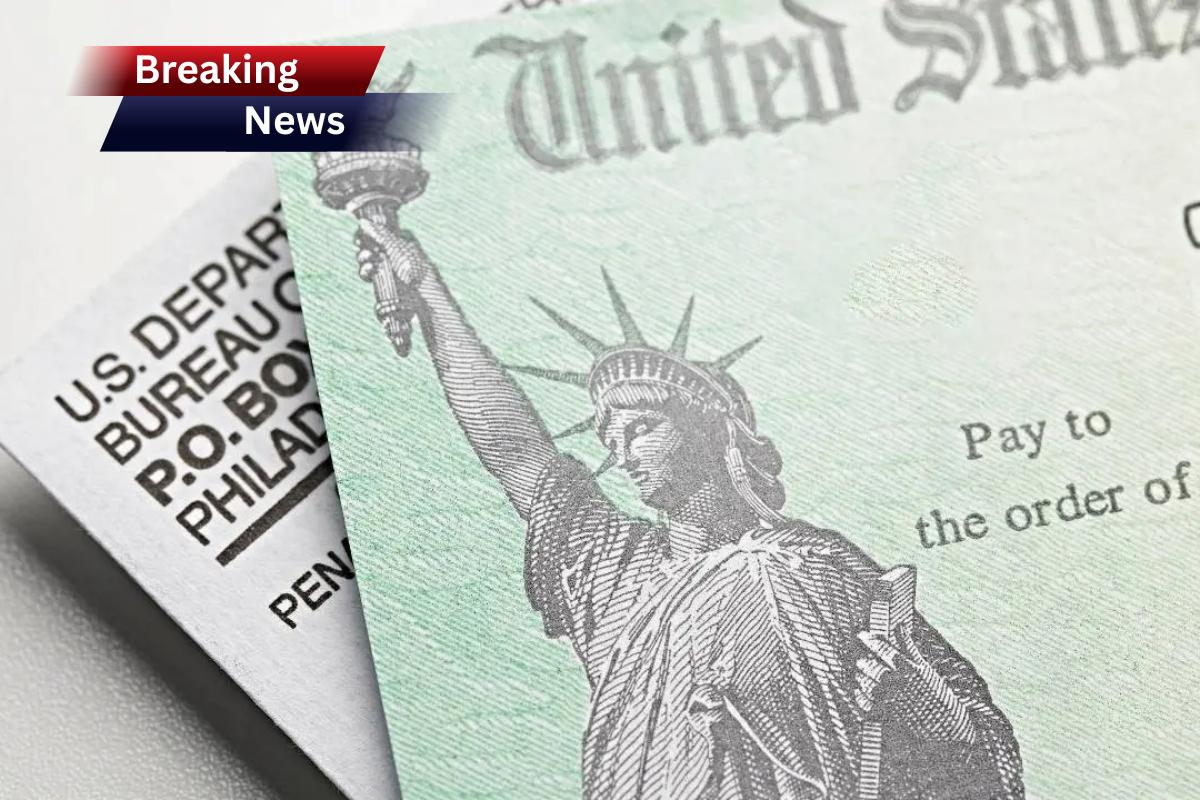
For months now, there’s been this uneasy drumbeat coming out of Washington: paper checks for Social Security and other federal benefits were basically on their way out. The kind of messaging that makes seniors clutch their mailboxes like lifelines.
But in the past few weeks almost quietly, almost sheepishly—the government has started shifting its tone. Electronic payments are still the finish line, yes, but the Social Security Administration (SSA) is now confirming that paper checks will stick around for people who genuinely can’t make the switch. And that small clarification? It changes the story entirely.
The Official Plan: A Push Toward Modernization
Back in mid-August 2025, the Treasury Department rolled out what sounded like a definitive line in the sand: starting September 30, 2025, federal benefit payments—including Social Security—would no longer be issued on paper for most people.
This wasn’t some rogue policy. It flowed directly from a March 2025 executive order—“Modernizing Payments to and From America’s Bank Accounts”—designed to drag the government’s financial systems into the 21st century.
You can actually read the order on the White House website, which spells out the transition toward electronic payments “to the extent permitted by law.” The SSA, following suit, issued its own notice affirming the near-total move to electronic payments after the September cutoff, leaning on the usual talking points: security, speed, and cost savings.
The agency isn’t wrong on the numbers. Direct deposit and the Treasury-backed Direct Express® Card are far safer than paper checks, according to data from the Bureau of the Fiscal Service at Treasury. Nearly 99.4% of Social Security beneficiaries already get their money electronically. Only a tiny slice of recipients still wait for that monthly white envelope to land in the mailbox.
Here’s a snapshot of the government’s position so far:
| Metric | Electronic Payments | Paper Checks |
|---|---|---|
| Share of SSA Beneficiaries | 99.4% | 0.6% |
| Fraud/Loss Risk | Low | 16x higher than electronic |
| Avg. Cost to Government | Significantly lower | Higher (printing + mailing) |
| Delivery Speed | Same-day or next-day | Days to weeks |
(Source: U.S. Treasury, Fiscal Service Reports)
The Sudden Softening of the Deadline
What caught observers off guard was not the policy but the pivot.
In a September 19, 2025 blog post on SSA.gov, officials clarified that individuals unable to receive electronic payments “will continue to receive paper checks.” And, perhaps more importantly, that there were “no plans to pause or delay payments starting October 1.”
No harsh cutoff. No sudden disappearance of paper checks. Just… flexibility.
When I checked in with Treasury insiders, one theme kept surfacing: practicality. Many seniors, rural residents, Indigenous communities, and unbanked Americans simply don’t have the infrastructure—or digital literacy to navigate electronic payments. Some rely on small-town banks with limited digital access; others don’t have smartphones; many still fear scams more than lost mail.
Modernization is the goal, yes, but not at the expense of basic access.
Why the Change in Tone Matters
At first glance, this feels like a small tweak. A throwaway line in a government blog post. But on the ground, it’s huge.
Over 70 million Americans receive Social Security benefits. Even if less than 1% rely on paper checks, disrupting payments to that group could mean seniors missing rent, buying fewer groceries, delaying prescriptions real-world consequences you just can’t brush off with a line about modernization.
Advocacy groups had been raising alarms for months. The National Council on Aging even pushed the SSA and Treasury to slow down the transition, warning that a rigid cutoff could “create a payment crisis for the digitally disconnected.” The softened tone is, in many ways, the government acknowledging that concern.
For retirees who still prefer checks in hand—tactile, trackable, familiar—this update is reassurance that their payments aren’t vanishing overnight.
What Beneficiaries Should Do Now
Officials may be easing off the hard deadline, but the message is still clear: switch to electronic payments if you can.
Right now, you’ve got two main options:
- Direct deposit
The fastest, safest route. Money goes straight into your bank account. - Direct Express® Card
A Treasury-issued debit card for people without bank accounts. It’s not a credit card. No overdrafts, no late fees. Just access to your benefits.
If you can’t use either option—maybe due to disability, lack of banking access, or other limitations—the government allows what’s called a hardship waiver. You can request it through the Treasury’s Bureau of the Fiscal Service. They’ll review your situation and, if approved, keep you on paper checks.
Helpful resources:
- Treasury payment policies: https://fiscal.treasury.gov
- SSA payment updates: https://www.ssa.gov
- Direct Express® program info: https://www.usdirectexpress.com
Why the Government Is Phasing Out Paper Checks
Let’s be honest: paper checks feel old-school because they are. They’re expensive, they’re slow, and they’re easy targets for fraudsters who steam-open envelopes like it’s 1985.
Treasury data shows paper checks are about 16 times more likely to be stolen or lost than electronic payments. And the cost gap is massive when you factor in printing, postage, and the labor behind reconciling errors or reissuing checks.
Electronic payments, meanwhile:
- Arrive faster
- Reduce theft and fraud
- Cut administrative costs
- Improve tracking and accountability
- Allow quicker corrections if something goes wrong
But there’s always the other side: many people simply trust paper more. There’s something psychologically comforting about holding your payment in your hand rather than seeing it appear on a bank screen.
Balancing Modernization with Accessibility
This is where things get delicate.
Government modernization isn’t bad. In fact, it’s overdue. But modernization cannot—must not—bar people from receiving the benefits they’re legally entitled to.
That’s why this softer rollout matters. It acknowledges the messy reality of America’s digital divide. Not everyone has broadband. Not everyone has a smartphone. Not everyone can navigate online banking apps or know how to troubleshoot a locked account at 8 p.m. on a Sunday.
The government’s latest tone suggests something closer to a “phased transition with exceptions,” rather than a hard compliance deadline.
Looking Ahead: What Comes Next
The September 30 date remains on federal documents, but the rollout’s flavor has changed. Beneficiaries who can switch to electronic payments should do so it’s smoother and safer. But those who can’t are not going to be cut off.
Expect a heavy push from the government through late 2025:
- Local awareness campaigns
- Fraud prevention workshops
- New partnerships with credit unions and community banks
- Senior center outreach drives helping people sign up for direct deposit
In other words: education first, enforcement later.
Final Inputs on Paper Checks
The “end” of paper checks was never really an end. It was more of a nudge one that got misinterpreted as a shove. What’s happening now is modernization with guardrails, the way it probably should’ve been communicated from the start.
The checks are not disappearing. They’re evolving into an exception-based system, not a universal one.
For beneficiaries, the bottom line is simple: switch early if you can. And if you can’t? The government has now confirmed—you won’t be left behind.
FAQs
1. Are Social Security paper checks ending in 2025?
Not entirely. Electronic payments are the default, but paper checks will continue for people who can’t receive payments electronically.
2. Do I need to apply to keep getting paper checks?
Yes, if you cannot switch, you may need to request a hardship waiver through the Treasury.
3. Will benefit payments stop if I don’t switch before September 30?
No. The SSA confirmed there are no plans to halt payments for beneficiaries.
4. Is the Direct Express® Card safe?
Yes. It’s backed by the U.S. Treasury and includes fraud protection and FDIC insurance.
5. Why is the government pushing electronic payments?
Cost savings, faster delivery, fraud reduction, and better oversight across federal benefit programs.










How would I get it