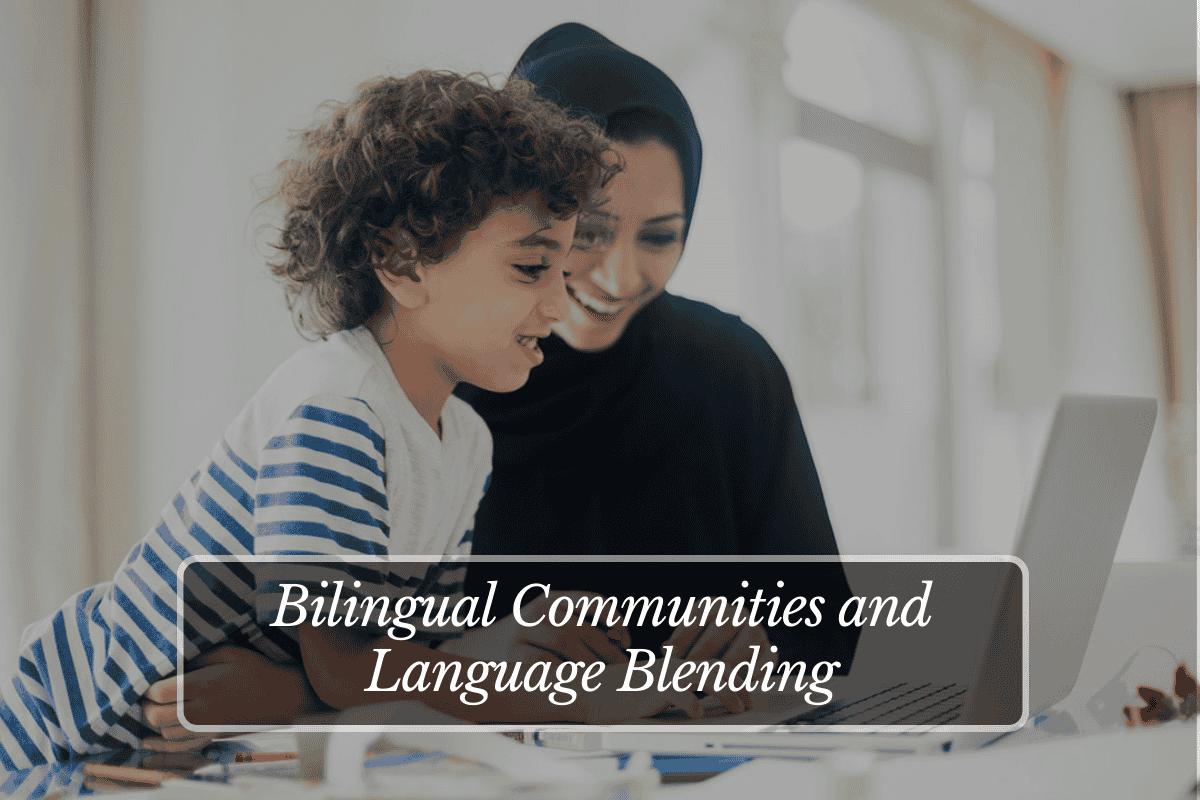
Bilingual communities offer vibrant linguistic landscapes where languages blend and evolve through phenomena such as code-switching and language mixing. These dynamic processes shape everyday communication, cultural identity, and even language acquisition, fostering rich social connections and creative expression.
Code-Switching: A Linguistic Dance
Code-switching is the practice of alternating between two or more languages or dialects within a conversation, sentence, or even a phrase. Once misunderstood as a sign of language deficiency, today it is recognized as sophisticated bilingual competence. Speakers toggle languages for clarity, emphasis, or social effect, often signaling group membership or cultural identity. In families, parents may switch languages to teach or emphasize concepts, aiding bilingual children’s language development.
Language Mixing and Borrowing
Beyond switching entire phrases, bilinguals frequently blend elements, inserting vocabulary, grammar, or idioms from one language into another. This enriches communication, reflecting the everyday reality of bicultural individuals. Borrowings also accumulate over time, as slang, neologisms, or technical terms migrate across languages, showing the fluid boundary between languages in contact.
Social Functions of Language Blending
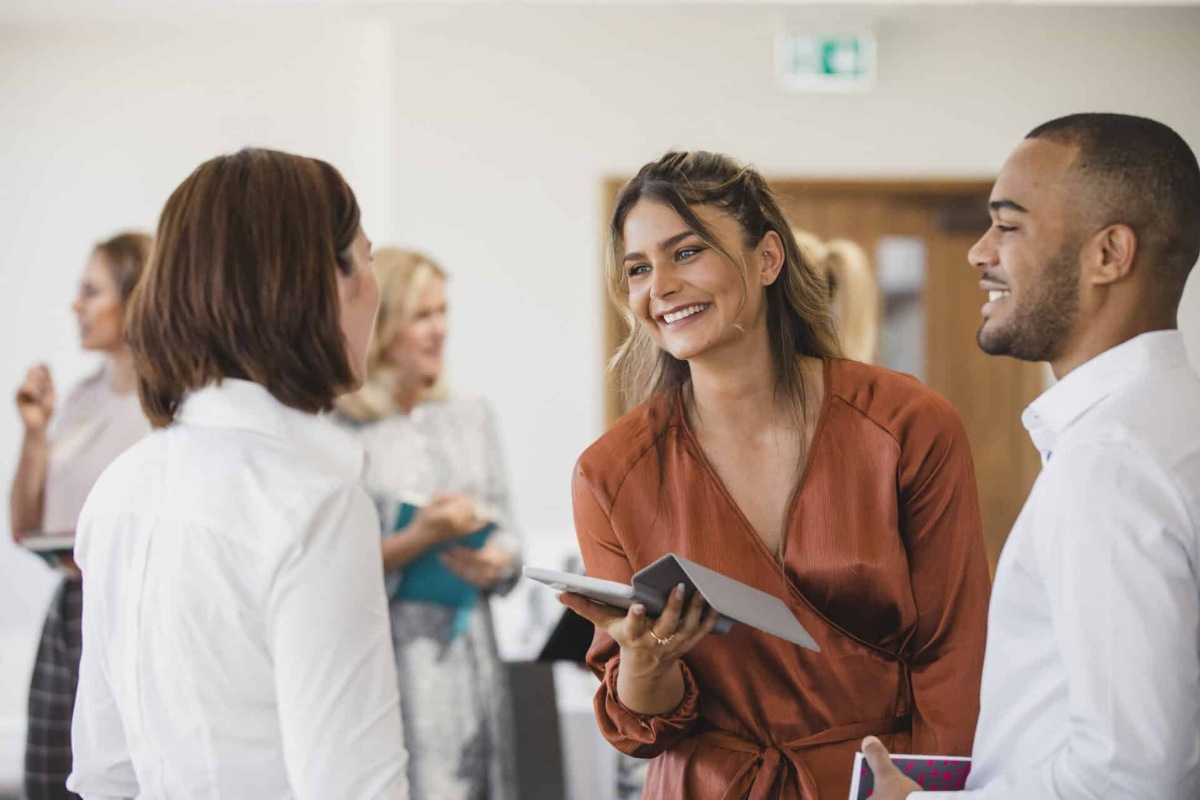
Language blending reinforces community bonds. Speakers signal solidarity by embracing linguistic hybridity, marking social or ethnic identity. In multilingual urban areas, code-switching adapts to context—formal settings may demand one language, while informal chats freely mix languages. It also serves strategic roles like excluding outsiders, softening criticism, or humor.
Educational and Cognitive Implications
Research reveals bilinguals who code-switch display high cognitive flexibility, switching tasks and resolving conflicts effectively. Educators are increasingly recognizing the pedagogical value of code-switching to scaffold learning and validate students’ cultural backgrounds, moving away from monolingual norms that overlook linguistic diversity.
FAQ
What is code-switching?
Alternating between two or more languages or dialects within a conversation, often to enhance communication or express identity.
Is code-switching a sign of poor language skills?
No, it reflects cognitive agility and bilingual competence, enriching social interactions.
How does language mixing differ?
It involves blending words or grammar from different languages within a single utterance, beyond whole phrase switching.
Why do bilinguals code-switch?
To clarify meaning, emphasize points, signal identity, or fit social contexts.
Can code-switching support language learning?
Yes, especially in families and classrooms, it aids comprehension and cultural connection.