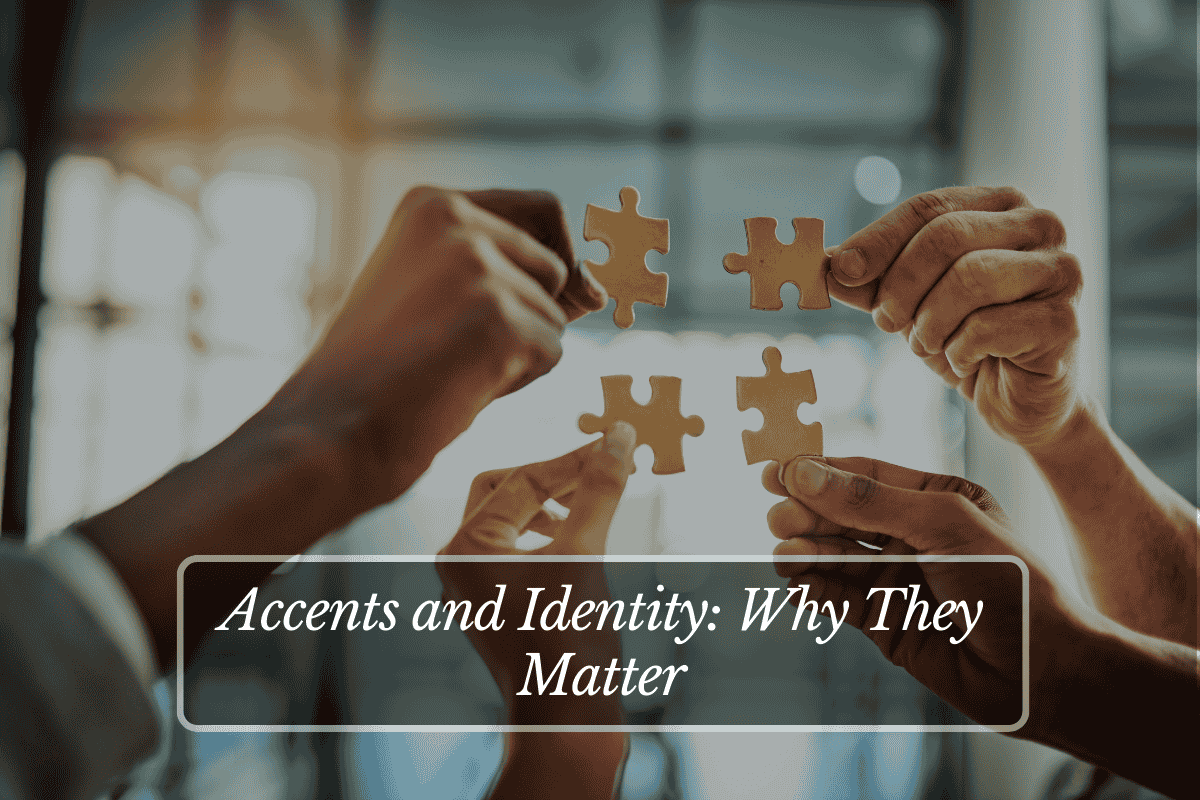
Accents are powerful markers of identity, revealing geographic origins, social affiliations, cultural heritage, and personal history within milliseconds of hearing a voice. They shape perceptions of intelligence, credibility, and belonging, influencing everything from job interviews to social bonds, while serving as audible expressions of self.
Accents as Social Signals
Listeners instinctively categorize speakers by accent, associating regional varieties with traits like warmth (Southern U.S.) or authority (Received Pronunciation). This rapid processing—rooted in prosody, rhythm, and phonetics—fosters group solidarity but also triggers biases. Non-standard accents often face prejudice, deemed “less educated” despite equal competence, affecting professional opportunities and mental well-being.
Linking Accent to Identity
Accents embody “acts of identity,” intertwining linguistic patterns with community ties. Bilinguals or migrants retain heritage accents to signal ethnicity or distance from norms, while code-switchers adapt for context. Everyone has an accent—labeling others’ as “foreign” reflects listener bias, not objective difference. This fluidity allows accents to evolve with life experiences, affirming individuality amid social pressures.
Bias and Everyday Impacts
Accent discrimination, or glottophobia, disadvantages non-native or regional speakers in hiring, media, and education. Studies show accents outweigh appearance in trust judgments; children prefer same-accent peers. Yet, accents build empathy—familiar ones evoke nostalgia, bridging emotional gaps in diverse settings.
Embracing Diversity
Celebrating accents counters homogenization, promoting inclusivity. Linguistic accommodation (mimicking accents) aids rapport, but suppressing one’s natural speech risks “linguistic homelessness.” Education emphasizes intelligibility over erasure, valuing accents as cultural fingerprints.
FAQ
Why do accents reveal identity so quickly?
They encode prosody, rhythm, and phonetics signaling region, class, or ethnicity instantly.
Do accents affect job prospects?
Yes, non-standard accents often lower perceived competence, despite skills.
Is accent bias universal?
Common across cultures, linking accents to stereotypes of status or intelligence.
Can accents change over time?
Yes, through environment, education, or intentional adaptation while retaining core traits.
Should people neutralize accents?
Focus on clarity preserves identity; full erasure risks authenticity loss.