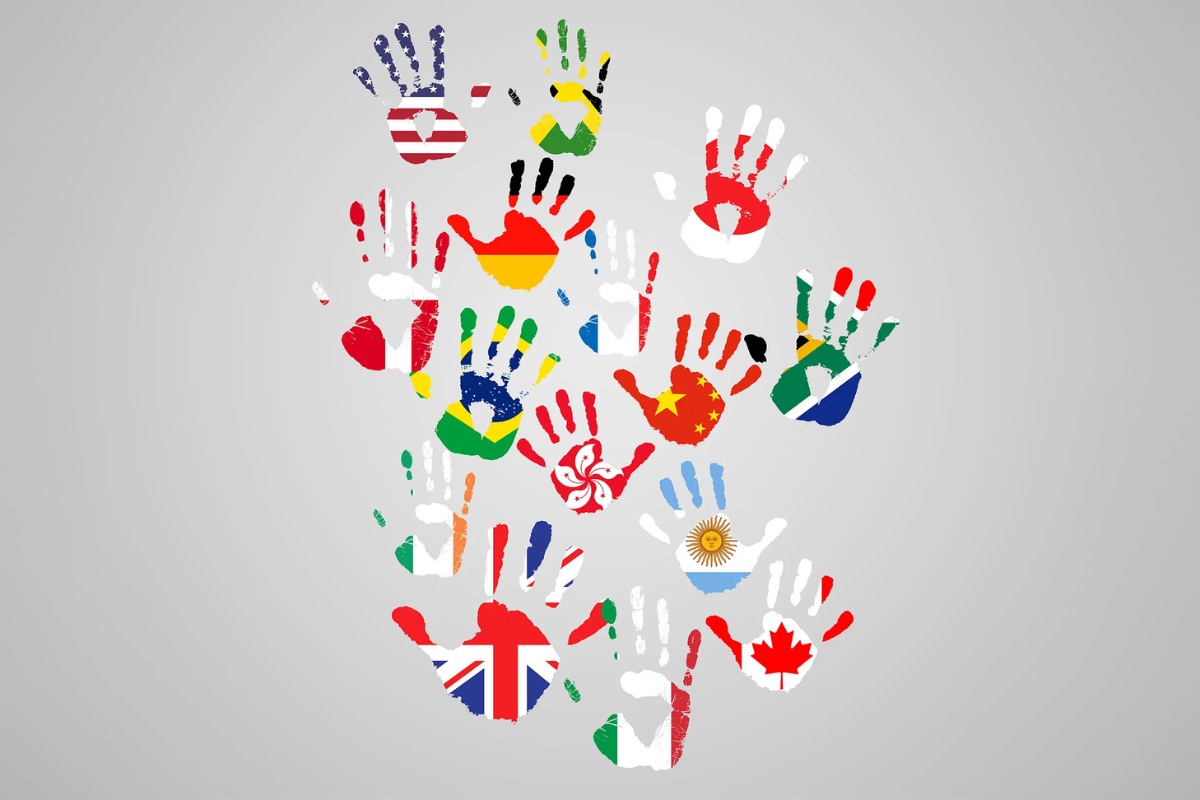
English is more varied than ever due to a blend of historical influences, globalization, technological advances, migration, and cultural exchange. English has assimilated vocabulary, grammar, and pronunciation from a vast array of languages owing to centuries of contact through colonization, trade, and cultural interaction.
Unlike many languages with a singular origin, English evolved as a polyglot “smorgasbord,” reflecting contributions from Latin, French, Norse, Celtic languages, and more.
The rapid global spread of English as a lingua franca further accelerates variation, as non-native speakers adapt English to local contexts and communication needs. Digital media, international business, and social networks introduce new words, slang, and expressions into English daily.
English’s status as the global language of science, technology, and diplomacy fosters continuous diversification in usage without threatening mutual intelligibility. Ultimately, English’s remarkable linguistic variety today embodies its role as a dynamic, global language with millions of voices shaping its future.
Why English Is More Varied Than Ever
- English’s rich history includes layers of vocabulary and grammar from diverse languages such as Latin, French, Norse, and Celtic, making its lexicon vast and varied.
- Globalization and British colonialism spread English worldwide, prompting adaptations that reflect local cultures and languages.
- Technological advances and social media accelerate language change by introducing neologisms and spreading slang rapidly.
- Migration and multicultural societies create hybrid varieties and pidgins, illustrating English’s flexible and inclusive nature.
- Despite diversity, English maintains mutual intelligibility among its many dialects and accents, allowing it to function as a global lingua franca.
FAQs on English Variation
Q: Why has English become more diverse over time?
A: Because of its complex history with many language contacts, global spread, and ongoing cultural interactions, English continually absorbs new influences.
Q: How does globalization affect English?
A: It accelerates variation by connecting speakers worldwide, spreading new expressions, and mixing local languages with English.
Q: Does the variation in English cause communication problems?
A: Generally no, most English varieties remain mutually intelligible, aided by global media and education maintaining core standards.
Q: How do new words enter English?
A: Through borrowing from other languages, innovations from technology and youth culture, and blending in multicultural societies.
Q: Is English’s diversity a strength?
A: Yes, it reflects the language’s adaptability and inclusiveness, helping it serve as a bridge across cultures globally.