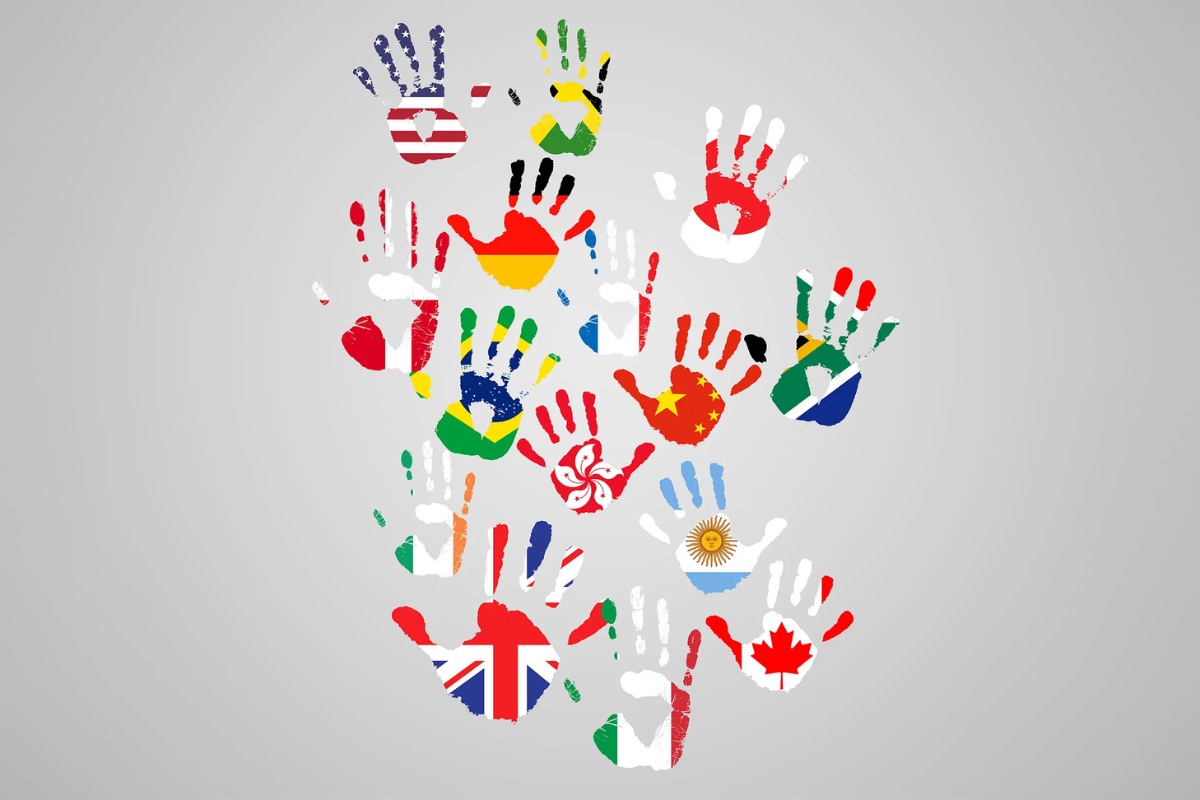
Dialects are vital to understanding how English evolves, flourishes, and expresses identity across regions and cultures. A dialect is a regional or social variation within a language, characterized by distinct vocabulary, grammar, and pronunciation patterns.
English is especially rich in dialects, each shaped by migration, historical events, contact with other languages, and the cultural character of its speakers. Famous dialects such as Cockney (East London), Scouse (Liverpool), and Geordie (Newcastle) in the UK, and Southern, New England, and Midwestern dialects in the US, showcase the diversity within English-speaking communities.
These dialects are not merely accents—they often have unique vocabulary and grammar. Some, like Jamaican Patois or Nigerian English, have been influenced by African, Caribbean, or indigenous languages, adding further depth to the global tapestry of English. Recognizing and valuing dialects helps foster greater appreciation for linguistic diversity and reveals the dynamic nature of English worldwide.
Understanding Dialects That Shape English
- Dialects are more than accents; they are distinct regional or social forms of English, with differences in vocabulary, grammar, and pronunciation, often rooted in history and culture.
- Historic dialects such as Old English in Mercia, Wessex, and Northumbria, evolved into many modern varieties like Cockney, Scouse, Geordie, and Brummie in the UK.
- In North America, there are major regional groupings like Northern, Midland, and Southern dialects, each with multiple subdialects (e.g., New England, Philadelphia, Southern drawl).
- Beyond the UK and US, English dialects like Indian English, Nigerian English, Singaporean English, and Jamaican Patois have developed under the influence of local languages and cultures.
- Dialects capture and preserve the history, migration, and identity of communities, enriching English with new words, idioms, and syntactic patterns.
FAQs on English Dialects
Q: What is a dialect?
A: A dialect is a regional or social variety of a language with distinct vocabulary, pronunciation, and grammar. Unlike an accent, which is about pronunciation, dialects also have unique grammar and vocabulary.
Q: How many dialects of English exist?
A: There are hundreds of recognized English dialects worldwide, including regional and national types in the UK, US, Canada, the Caribbean, Africa, Asia, and Oceania.
Q: What’s the difference between dialect and accent?
A: An accent refers only to pronunciation differences, while a dialect includes distinctive vocabulary and grammar as well.
Q: How do dialects influence standard English?
A: Dialects shape standard English by introducing new words, expressions, and ways of speaking, especially through literature and media exposure.
Q: Why is understanding dialects important?
A: Recognizing dialects fosters respect for linguistic diversity, promotes clearer communication, and helps preserve cultural heritage within the global English-speaking world.