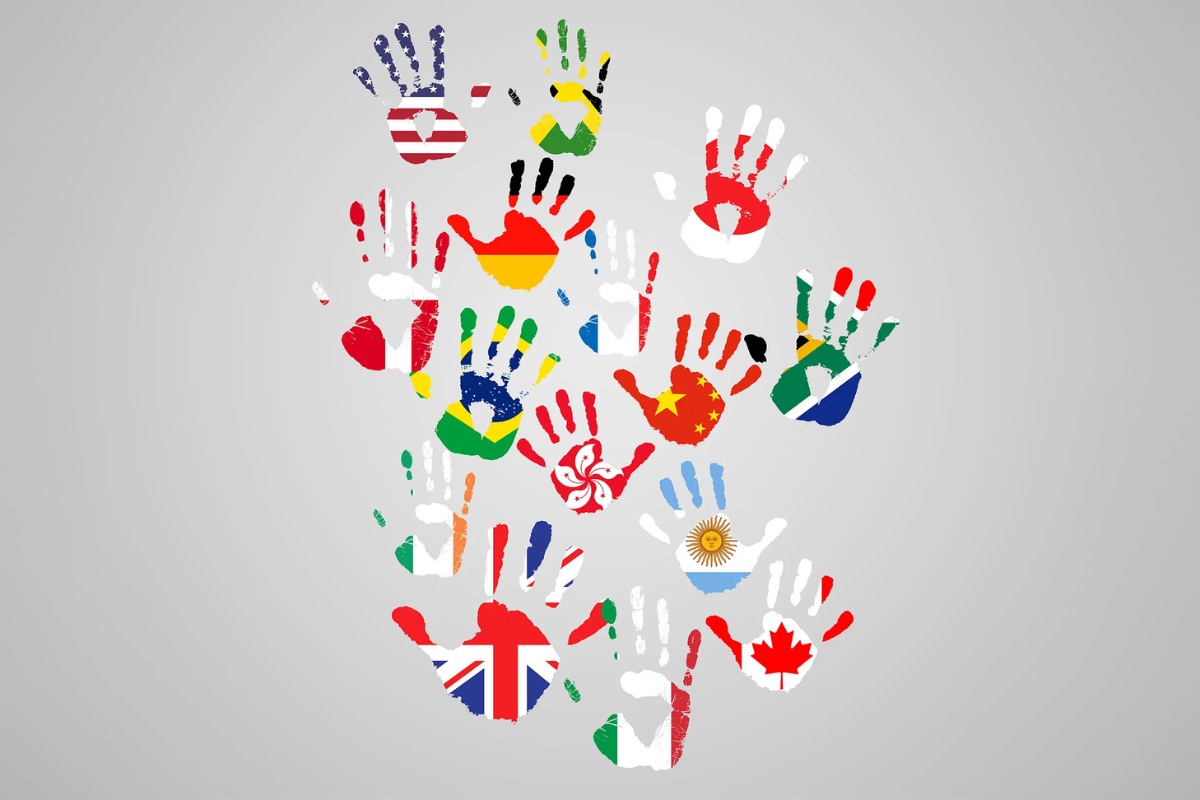
The concept of “World Englishes” celebrates the remarkable linguistic diversity found within the global English-speaking community.
It encompasses the different varieties and dialects of English that have developed worldwide, influenced by unique regional cultures, histories, and languages. World Englishes reflect how English adapts to local contexts while serving as a global lingua franca for communication.
This diversity highlights the richness of English, recognizing not only British or American English as standards but embracing varieties such as Indian English, Nigerian English, Singaporean English, and many creoles and pidgins derived from English.
The recognition of World Englishes in linguistics and education promotes inclusivity, cultural respect, and understanding of how language evolves when shared across communities.
World Englishes: Celebrating Linguistic Diversity
- World Englishes refers to the many varieties of English spoken globally, shaped by cultural and linguistic contexts.
- English functions both as a native and second language in different regions, evolving distinct phonetics, vocabularies, and grammar.
- Recognizing World Englishes challenges conventional ideas of a single “correct” English, promoting pluralism and diversity.
- This concept supports more inclusive language teaching that respects learners’ cultural backgrounds.
- The United Nations and educational bodies celebrate English Language Day on April 23 to promote multilingualism and cultural diversity, reflecting World Englishes’ broad reach.
FAQs on World Englishes
Q: What are World Englishes?
A: World Englishes are the various forms of English found globally, each shaped by local culture, history, and language contact, including varieties like Indian English, Nigerian English, and Singapore English.
Q: Why is celebrating World Englishes important?
A: It promotes linguistic diversity, cultural respect, and helps learners appreciate English as a global, evolving language rather than a fixed standard.
Q: How do World Englishes affect English teaching?
A: Teaching approaches that acknowledge World Englishes emphasize communicative competence and cultural inclusivity over rigid adherence to native-speaker norms.
Q: When is English Language Day celebrated?
A: English Language Day is celebrated annually on April 23, the birthday of William Shakespeare, to honor English’s cultural and linguistic impact worldwide.
Q: How does World English help in global communication?
A: By valuing diverse English forms, World Englishes facilitate better communication across cultures, promoting understanding and cooperation.