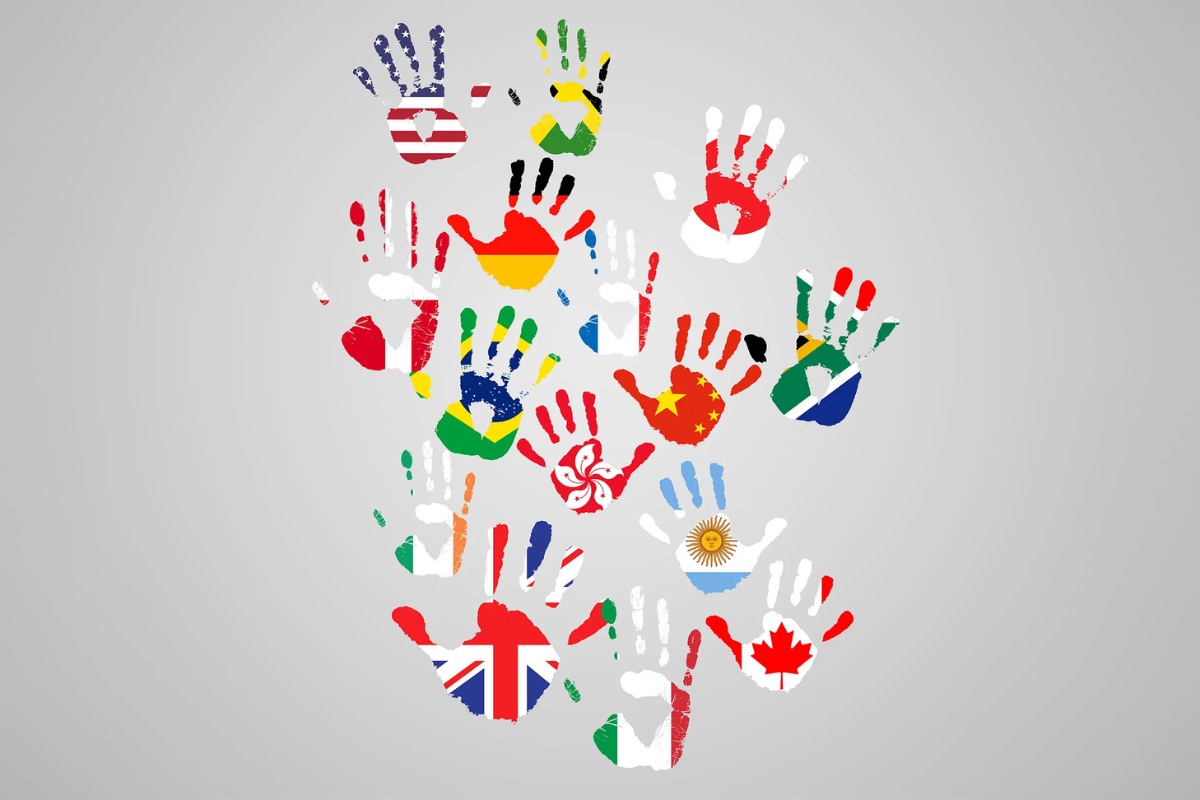
Immigrant languages have supercharged English’s lexicon, injecting over 10,000 loanwords from Yiddish “schlep” to Spanish “taco,” turning a Germanic base into a global hybrid reflecting America’s melting pot. Waves of arrivals—from 19th-century Germans to 20th-century Latinos—didn’t just add vocab; they tweaked syntax, like French-inspired “hot-hot” intensity or Yiddish endings like “-ista” in “fashionista”. This fusion celebrates diversity, proving English thrives on borrowed brilliance.
Early Borrowings: Norse, French, and Beyond
Vikings gifted “sky,” “egg,” “they”; Normans flooded 10,000 French terms like “beef” (from Latin vacca, cooked) vs. Germanic “cow” (live animal). Later Latin loans via scholars added “algebra,” “zero” from Arabic—often via immigrants—layering precision. These set English’s adaptive DNA.
Yiddish Infusions: New York’s Flavor
Early 20th-century Jewish immigrants from Eastern Europe sprinkled NYC slang—”schmuck” (fool), “nosh” (snack), “bagel”—now everyday American. Suffixes like “-nik” (“beatnik”) and exclamations (“oy vey!”) endure in comedy and idioms, outsizing Yiddish’s speaker base via cultural hubs.
Romance Riches: Spanish, Italian, French
Spanish yields “canyon,” “taco,” “patio”; Mexican-American contact birthed “piñata,” “sombrero”. Italian “pizza,” “pasta,” “espresso” dominate menus; French “do-support” skips in Cajun English—”How your clothes got wet?”. Hybrids like “weirdo,” “wino” blend Romance “-o” endings.
Indigenous and Global Gems
Native American loans—”canoe,” “moose,” “barbecue,” “hurricane”—named New World novelties; Hindi “bungalow,” Japanese “tsunami,” Dutch “cookie” (koekje) followed trade/migration. Modern Spanglish “parquear” (to park) evolves in barrios.
English’s immigrant soul keeps it vibrant.
FAQ
Top immigrant influences?
Yiddish (schmuck, nosh), Spanish (taco, canyon), Italian (pizza).
Syntax changes?
French skips “do” in Cajun; Yiddish “-ista” hybrids.
Native American gifts?
Canoe, moose, tobacco, hurricane.
Early waves?
Norse sky/egg; Norman beef vs. cow.
Why so adaptive?
Trade, immigration fill lexical gaps.