
A wave of anxious calls started hitting local DMV offices last week after a flurry of viral posts claimed that the U.S. Department of Transportation had quietly rolled out sweeping, nationwide driving rules for Americans aged 70 and up.
The posts read like a bureaucratic nightmare mandatory annual road tests, shortened renewal windows, new federal oversight and they spread fast enough that a few newsrooms (including ours) had to double-check whether Washington had slipped something into the Federal Register while everyone was distracted by the shutdown drama. Turns out, there’s nothing there. Not even close.
What the Viral Rumor Claimed
The social-media stories followed a neat little chart that looked official at first glance clean fonts, serious colors, the whole nine yards. It spelled out supposed new federal rules:
- Ages 70–80: four-year renewal, in-person visit, mandatory vision test
- Ages 81–86: two-year renewal
- Ages 87+: annual renewal, annual vision test, mandatory behind-the-wheel exam
It was tailor-made to spark panic among seniors, caregivers, and anyone who’s ever waited in a DMV line. The implication: every American senior driver was about to be hit with new hurdles, starting immediately.
But after two days of back-and-forth checks with state agencies, and a sweep through recent rulemaking notices on federalregister.gov, the verdict was unanimous this entire thing was cooked up online.
Why the Claim Fell Apart So Quickly
If you’ve ever dealt with U.S. licensing laws, the first red flag is almost too obvious: the U.S. Department of Transportation doesn’t issue driver’s licenses. States do. That’s written clearly in longstanding federal guidance from the Federal Highway Administration (FHWA), and it’s also reinforced in publicly available state‐level licensing statutes.
From Arizona to Maine, officials told us variations of the same line: “We didn’t change anything, and neither did the feds.” Several state DMVs even posted brief clarifications on their own portals including California’s DMV and the Illinois Secretary of State’s office just to calm things down.
No pending legislation. No rulemaking notices. No policy memos. And certainly no new nationwide senior-driver tests tucked inside some obscure regulatory docket.
Below is a quick table comparing the viral rumor with actual U.S. law:
| Topic | Viral Claim | Actual Law |
|---|---|---|
| Who controls licensing? | U.S. Department of Transportation | Individual states (50 separate DMV systems) |
| Renewal rules for seniors | New nationwide age-based mandates | Determined by each state; varies widely |
| Published in Federal Register? | Yes (claimed) | No no such rule exists |
| Implementation timeline | Immediate | No timeline because rule is fake |
| Mandatory federal tests | Vision + road test for all over 87 | No federal testing requirements |
So, Do Any States Have Special Rules for Older Drivers?
This is where the rumor twists a kernel of truth into a scare story. Yes, some states have age-based guidelines, but the trend lately has actually gone in the opposite direction—loosening requirements, not tightening them.
California’s 2024 Change
Starting October 1, 2024, California scrapped the written-test requirement for drivers aged 70 and up provided they’ve got a clean driving record.
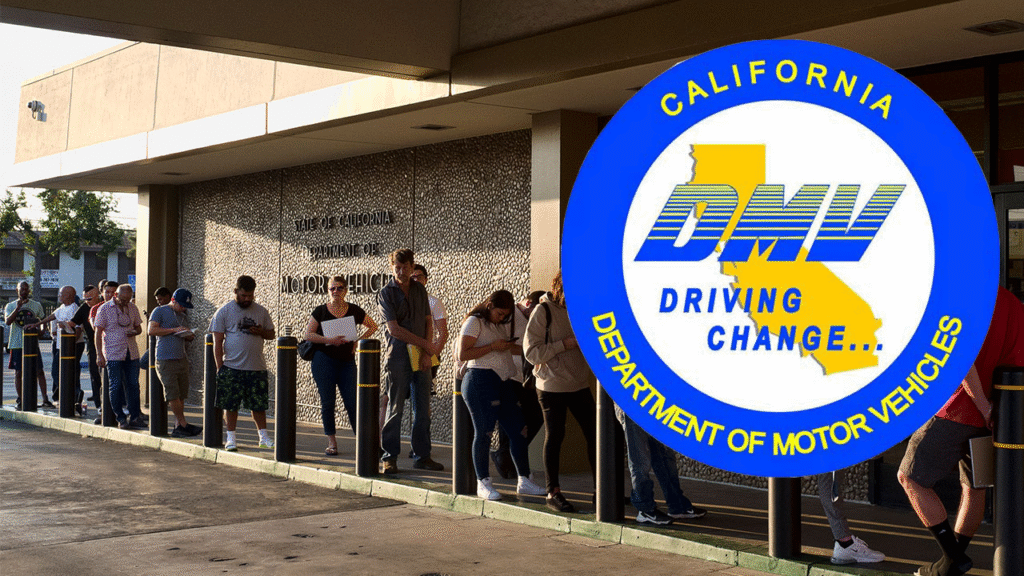
Seniors still need to show up for a vision screening, but the change was pitched as a modernization effort, something state officials discussed in earlier DMV modernization reports and even referenced in planning summaries tied to ca.gov modernization initiatives.
Essentially, it makes life easier for older Californians, not harder.
Illinois’ 2025–2026 Reform
Illinois made a bigger tweak when lawmakers passed the Road Safety and Fairness Act in August 2025. This law, which kicks in July 1, 2026, pushes the mandatory behind-the-wheel test from age 79 all the way to 89 a huge shift for a state that historically had some of the strictest senior-driver rules in the country.
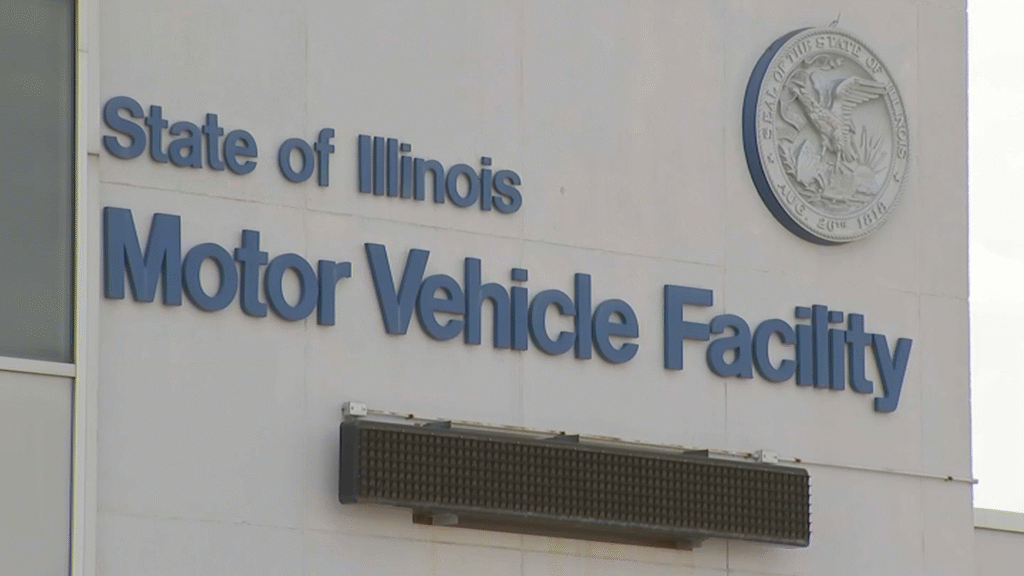
Drivers 89 and older will still face additional checks, but most older adults will now only need a vision test unless there’s a medical flag or a violation on record. Details of the act are available through state legislative notes published on ilga.gov.
What People Should Do Instead of Relying on Viral Posts
If there were ever a nationwide policy change affecting tens of millions of older drivers, you’d see it blasted across major outlets, cited in DOT press bulletins, and listed clearly on government databases like federalregister.gov. Not whispered through recycled Facebook screenshots.
The safer move? Stick with your own state’s DMV website or call center. State licensing pages from dmv.ca.gov to flhsmv.gov—are kept updated precisely because misinformation like this pops up every few months.
And if you’re 70 or older and nervous about being summoned to some surprise driving exam… you can exhale. Nothing has changed.
Fact Check: Is the Viral Claim Real?
No. The rumor is false.
- There is no federal law or DOT rule governing age-based license renewals.
- There is no entry in the Federal Register referencing such changes (verified through federalregister.gov).
- State officials across multiple DMV systems have explicitly denied any such update.
- The rumor mirrors an earlier false claim from 2023–2024 suggesting Americans wouldn’t need a driver’s license at all by 2026—also debunked.
Senior drivers remain under state-level rules only.
If You Want to Verify This Yourself
You can check:
- Federal Register: https://www.federalregister.gov
- NHTSA: https://www.nhtsa.gov
- FHWA: https://www.fhwa.dot.gov
- Your state DMV (e.g., dmv.ca.gov, ilga.gov for legislation)
None of these contain anything resembling what the viral post claims.
FAQs
1. Does the U.S. Department of Transportation control driver’s licenses?
No. Licensing is handled at the state level.
2. Are any new nationwide rules coming for older drivers?
No federal rules are being drafted or considered at this time.
3. Which states have age-based renewal requirements?
A handful do, but the specifics vary. Illinois and California recently loosened requirements.
4. Do seniors need to take mandatory road tests anywhere?
Only in a few states, typically triggered by violations, medical concerns, or very advanced age brackets.
5. What’s the best source for accurate licensing info?
Your state’s official DMV website or government portals like federalregister.gov for national rulemaking.