
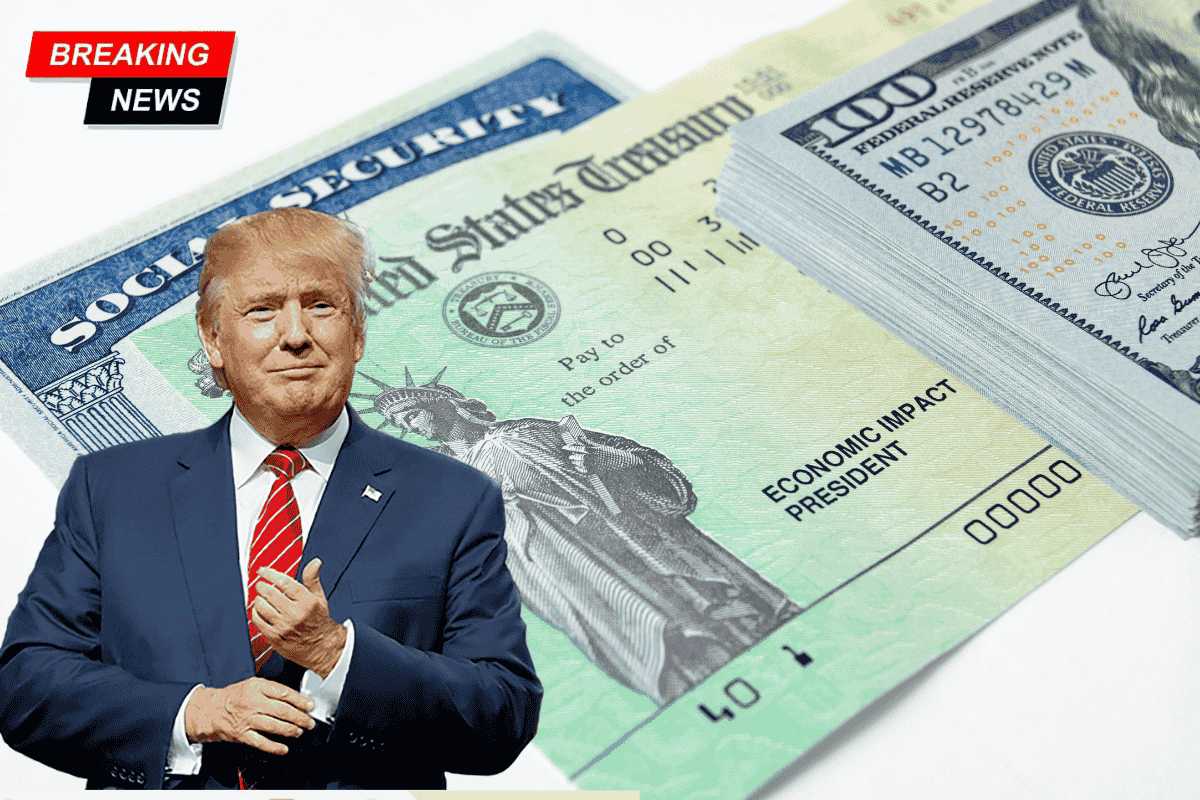
A quiet shift has been brewing in Washington, and for months it sounded like a hard stop: the era of paper Social Security checks was ending. Full stop. Government spokespeople were pretty blunt through the summer by fall 2025, electronic payments would be the only game in town.
But somewhere between the press releases and the public reaction, the tone softened. And for millions of older Americans still clutching their monthly paper checks, that softening feels less like bureaucracy and more like a lifeline.
Why the Government Is Pushing So Hard for Electronic Payments
Federal officials haven’t exactly been shy about the motivation. The math is compelling: electronic payments are quicker, safer, and dramatically cheaper.
According to the U.S. Treasury, a paper check is 16 times more likely to get lost, delayed, or intercepted compared to a direct deposit an astonishing figure when you remember these payments keep households afloat.
Roughly 99.4% of federal beneficiaries already receive their payments digitally, per treasury updates on FiscalService.Treasury.gov.
And from a cost perspective? Paper checks require processing, printing, tons of postage, and the kind of slow physical logistics that make government bean counters twitch. Digital transfers through direct deposit or the Direct Express debit card (a program overseen through SSA.gov) cut out nearly all these inefficiencies.
The Original Plan: A Firm September 30, 2025 Deadline
Back in August, the Treasury announced a clean transition date: September 30, 2025. After that, paper checks for Social Security and most other federal benefits would largely disappear.
The rollout leaned heavily on the spirit of the Modernizing Payments to and From America’s Bank Accounts Act, a law meant to push federal disbursements into the modern era.
At the time, there were two “acceptable” pathways for beneficiaries:
| Option | Who It’s For | Key Features |
|---|---|---|
| Direct Deposit | Anyone with a bank account | Fast, secure, universal |
| Direct Express Debit Card | People without a bank account | Government-backed prepaid card accepted at ATMs and stores |
It sounded like a done deal. And then reality arrived.
The Tone Softens: Paper Checks Aren’t Gone Yet
By late September, the Social Security Administration took a noticeably gentler approach. In a blog post tucked on Blog.SSA.gov, officials admitted the obvious—some Americans simply cannot transition to digital payments, at least not right now.
So exceptions will remain available for:
- Older adults uncomfortable with or unable to navigate tech
- Rural households with limited banking access
- People without checking accounts or smartphones
Insiders describe it as a “flexible transition,” not a cutoff. The goal hasn’t changed—digital is still the future—but beneficiaries won’t lose a penny if they can’t make the switch.
Why This Matters for Millions
Walk into any diner in rural Ohio or upstate New York and ask seniors how they feel about giving up their monthly check. You’ll get the same uneasy shrug. Paper checks carry ritual, familiarity, and—let’s be honest—a kind of emotional reassurance. Touching the physical check feels like touching your benefits.
A sudden cutoff could’ve triggered panic, late payments, or outright financial jeopardy. So the government’s gentler messaging isn’t just optics; it’s acknowledging the lived reality for people who don’t have broadband, smartphones, or friendly bank tellers nearby.
What You Should Do If You Still Receive Paper Checks
If your mailbox doesn’t just bring ads and pizza coupons, you have options:
1. Switch to direct deposit
If you have a bank account, this really is the smoothest path. Most switches can be made on SSA.gov/myaccount.
2. Sign up for a Direct Express Card
Designed specifically for beneficiaries who don’t use traditional banking. Works like a debit card, and you don’t need a checking account.
3. Request a waiver
If digital payments are genuinely unworkable, you can apply for an exemption through the Treasury’s payment center on FiscalService.Treasury.gov.
Balancing Modernization With Fairness
Federal agencies are trying to thread a difficult needle: modernize processes without steamrolling people who are already on shaky financial or technological ground. It’s not lost on policymakers that the push for modernization can sometimes feel like pushing people off a cliff.
The latest signals show a more human-centered approach. It isn’t just about saving money; it’s about ensuring every person gets their benefits accurately, safely, and on time.
What Comes Next
The September 30, 2025 date still exists—but think of it less like a wall and more like a mile marker. Agencies will continue expanding outreach, partnering with community groups, running workshops, and offering hands-on help navigating digital transition tools.
The push toward electronic payments is still moving forward. Just much slower. Much gentler. And with far more attention paid to those at risk of being left behind.
For everyone who can switch now, it may save a lot of stress. For those who genuinely can’t, the message is finally clear: the government isn’t pulling the rug out from under you.
Fact Check: Is the Government Really Ending All Paper Checks?
No despite rumors online suggesting a “total” elimination, official guidance from the Social Security Administration and U.S. Treasury confirms that exemptions will continue for individuals with significant barriers to digital payments.
The modernization law encourages electronic delivery, but it does not authorize cutting off benefits to people who cannot comply. Always rely on primary sources like SSA.gov and FiscalService.Treasury.gov for updates.
FAQs
Will paper Social Security checks completely end in 2025?
No. Some beneficiaries who cannot use electronic systems will continue receiving paper checks beyond the deadline.
Who qualifies to keep getting paper checks?
Seniors with tech challenges, people in rural areas, and individuals without bank access may be eligible.
How can I switch to electronic payments?
You can set up direct deposit with your bank or apply for a Direct Express card through the government’s payment portal.
Is there a deadline to apply for exemptions?
There’s no hard cutoff, but the Treasury recommends applying early to avoid any risk of payment interruption.
Are electronic payments actually safer?
Yes. They’re faster, cheaper, and far less likely to be lost or stolen than traditional mailed checks.








how is the government going to go through millions of Americans on disability. And just stop paper checks. Yes Donald Trump said that in his last time in office it never happened
good news i knew a week ago