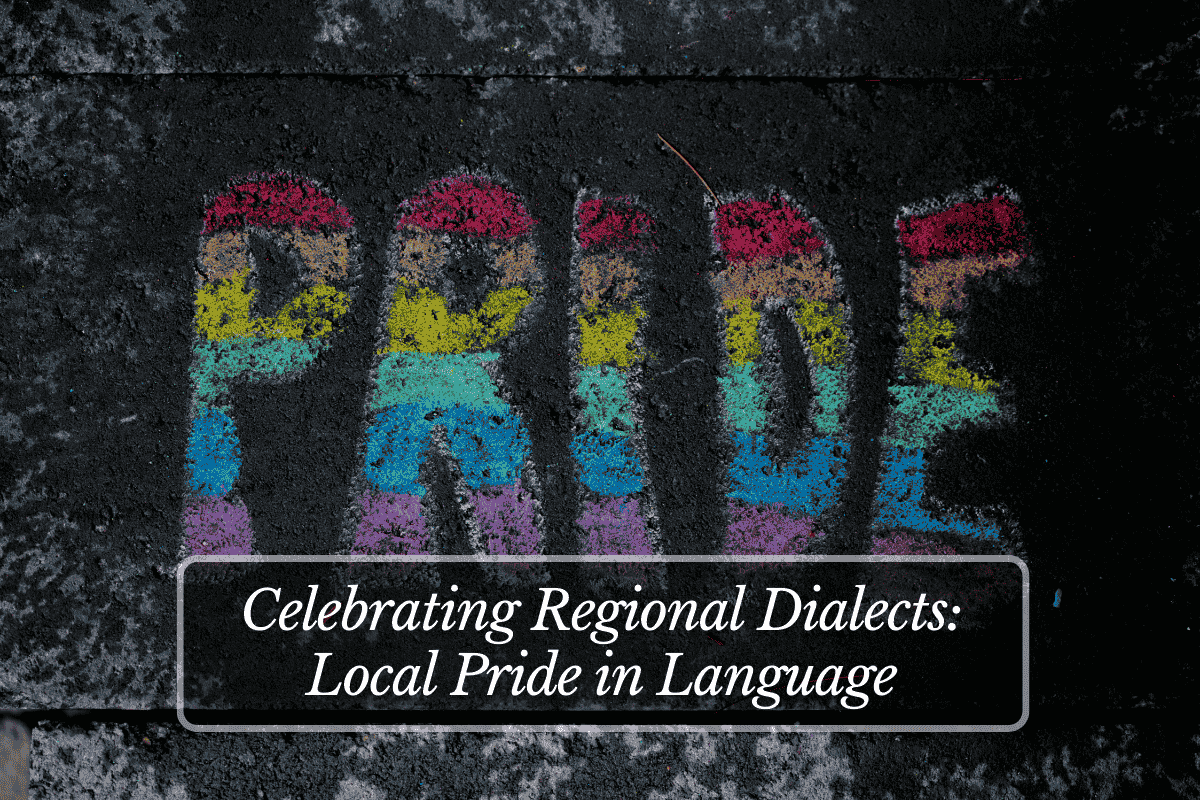
Regional dialects of English embody local pride, preserving unique histories, traditions, and identities that enrich global linguistic diversity. From Geordie in Newcastle to Southern drawls in the U.S., these variations foster community bonds and cultural resilience against standardization pressures.
Diversity Across English-Speaking Regions
English dialects span continents, each reflecting geography and heritage. In the UK, Brummie (Birmingham) features clipped vowels, while Scouse (Liverpool) adds rhythmic nasality. American variants include Texan twang with flattened vowels or New York rapid-fire speech. Australian Broad accents drop ‘r’s and elongate vowels, signaling laid-back identity.
Cultural Significance and Pride
Dialects act as identity markers, strengthening belonging and heritage. They carry local wisdom—Pitmatic coal-mining terms in Northeast England or Gullah phrases blending African roots in U.S. South. Celebrating them boosts self-esteem, resists cultural erosion, and promotes tolerance in multicultural societies.
Preservation Challenges and Efforts
Globalization and media favor standard English, threatening dialects like Cumbrian or near-extinct Boontling. Revival initiatives include apps, festivals, and school programs teaching Māori-influenced Kiwi English or Welsh English. Community storytelling and digital archives safeguard oral histories for future generations.
Ways to Celebrate Local Dialects
- Host dialect storytelling events or poetry slams to showcase regional flair.
- Integrate dialects into education for cultural awareness and cognitive benefits.
- Use social media for pronunciation challenges, like Aussie “watah” vs. American “water.”
- Support preservation via funding dictionaries or films in local speech.
FAQ
Q1: Why do regional dialects foster local pride?
They symbolize heritage, history, and community ties, giving speakers a distinct sense of belonging.
Q2: What are examples of unique UK dialects?
Geordie (Tyneside), Brummie (Birmingham), and Scouse (Liverpool), each with signature sounds and slang.
Q3: How does globalization threaten dialects?
Standard media and migration prioritize neutral English, diluting local speech over time.
Q4: Can dialects benefit education?
Yes, teaching in native dialects improves comprehension, engagement, and cultural connection.
Q5: How to preserve dialects today?
Through digital tools, community events, and bilingual programs blending local and standard forms.