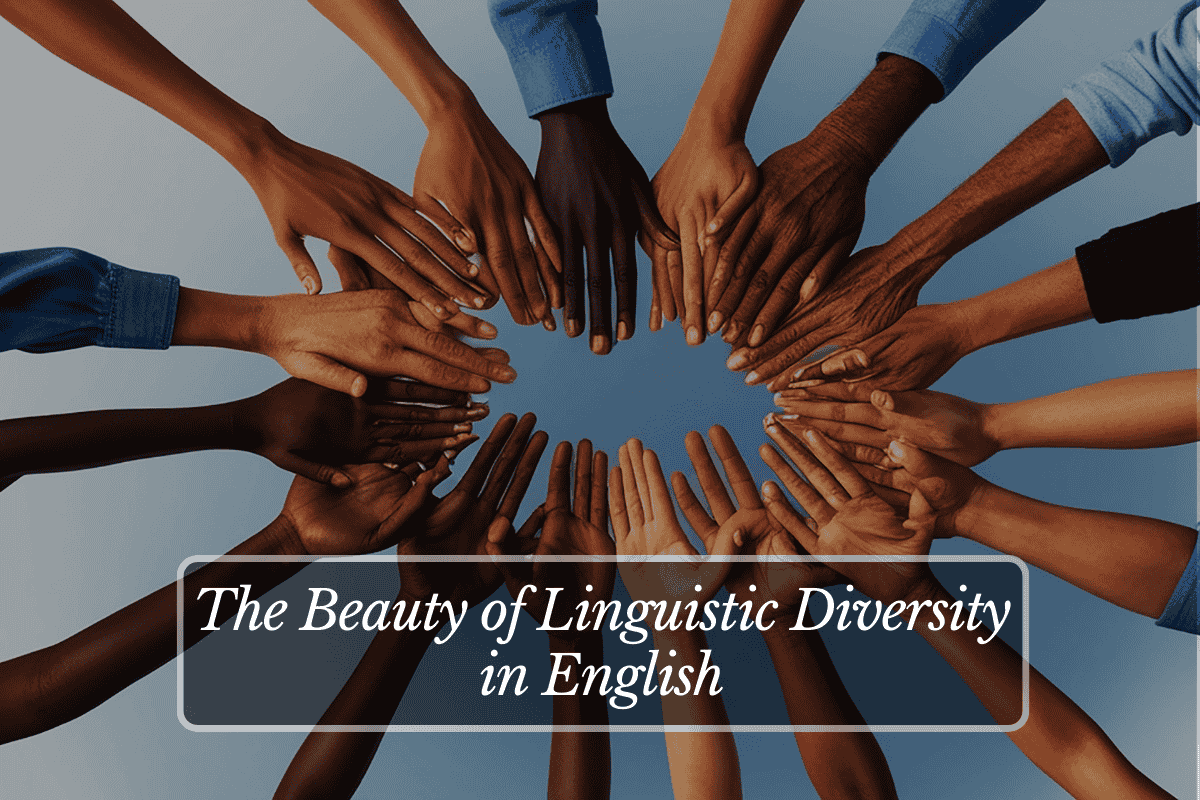
English’s linguistic diversity reveals a vibrant mosaic of dialects, accents, and varieties shaped by geography, history, and culture worldwide. From British Isles subdialects to global Englishes like Indian or Nigerian variants, this richness enhances expressiveness, fosters identity, and reflects human adaptability.
Varieties Across the British Isles
British English branches into distinct regional forms. Northern dialects like Geordie (Tyneside) and Scouse (Merseide) feature unique vowel shifts and vocabulary. Midlands varieties include Brummie (Birmingham) with its nasal tones. Southern Cockney employs glottal stops and rhyming slang, while Received Pronunciation represents prestige norms. Scottish English, Welsh English, and Irish varieties incorporate Celtic influences, blending grammar and lexicon.
North American and Oceanic Diversity
American English spans coastal New England, Southern drawls, and African American Vernacular English (AAVE) with innovative syntax. Canadian English mixes British spellings and American phonology. Australian English adopts rising intonation and Aboriginal borrowings like kangaroo. New Zealand English shares similarities but adds Maori elements, showcasing colonial hybridization.
Global Englishes and Hybrid Forms
Post-colonial Englishes thrive: Indian English integrates Hindi loanwords and tag questions; Nigerian Pidgin fuses English with local tongues. Singlish (Singapore) blends Chinese, Malay, and Tamil particles. These “New Englishes” adapt grammar—double negatives for emphasis or topic-comment structures—filling cultural gaps while maintaining mutual intelligibility.
The Beauty of Dialects and Accents
Dialects differ in grammar (e.g., “y’all” in Southern U.S.) and vocabulary (lift vs. elevator), while accents vary pronunciation alone. This diversity signals identity, enriches idioms, and drives innovation, countering standardization myths. Linguistic contact yields pidgins and creoles, proving English’s resilience.
FAQ
What defines a dialect versus an accent?
Dialects include grammar and vocabulary differences; accents focus on pronunciation.
How many English varieties exist?
Hundreds, from regional British subdialects to global post-colonial forms.
Why is linguistic diversity valuable?
It preserves culture, signals identity, and fuels language evolution.
Are global Englishes mutually intelligible?
Generally yes, though hybrids like Singlish challenge outsiders.
Does diversity threaten standard English?
No—it coexists, enriching the language with hybrid innovations.